Woodland Caribou Provincial Park is a non-operating provincial park located near Red Lake in Northwestern Ontario. The park protects a vast expanse of Canadian Shield landscape composed of boreal forest, exposed bedrock, wetlands, and an extensive network of lakes and rivers shaped by glacial activity. Its size and remoteness make it one of Ontario’s largest and least developed protected areas.
The park is internationally recognized for its role in conserving habitat for woodland caribou, as well as other wildlife associated with intact boreal ecosystems. Large, undisturbed forest blocks, lichen-rich areas, and interconnected waterways provide conditions necessary for species that are sensitive to human disturbance. The park also supports birds, aquatic species, and mammals adapted to remote northern environments.
Waterways form the primary means of travel through the park, with numerous lakes, rivers, and portage routes supporting extended canoe-based backcountry travel. As a non-operating park, Woodland Caribou Provincial Park has no developed facilities, maintained trails, or designated campsites. Access is limited, and use is restricted to self-sufficient, low-impact wilderness travel. Park management focuses on preserving large-scale ecological integrity while allowing carefully managed backcountry use consistent with conservation objectives.
General Information
Year Established: 1983
Park Size: 470620.00 ha
Park Classification: Wilderness
Opening and Closing Date: January 1, 2025 to December 31, 2025
Phone: 807-727-1329
Location
Woodland Caribou Provincial Park stands as a testament to Ontario’s vast and untouched wilderness. This guide serves as your gateway to the park’s treasures, providing valuable insights into camping options, facilities, and the myriad of activities awaiting those eager to immerse themselves in this natural sanctuary.
Latitude: 49.758122 Longitude: -92.653490
Facilities & Recreation
Woodland Caribou Provincial Park is a vast, remote wilderness park in northwestern Ontario, known for protecting one of the largest remaining tracts of intact boreal forest in the province. With no road access, ranger stations, or developed facilities, the park offers a true backcountry experience focused on solitude, self-reliance, and low-impact travel through pristine lakes, rivers, wetlands, and ancient rock formations.
Access to the park is primarily by canoe or floatplane, as there are no formal boat launches or roads within the park. Canoeing and kayaking are the main ways to explore the area, with nearly 2,000 kilometres of maintained canoe routes linking interconnected lakes and rivers. Well-known waterways such as the Bloodvein and Gammon Rivers provide classic multi-day routes that combine flatwater paddling, moving water, and portages through remote landscapes shaped by the Canadian Shield.
Motorized boating is generally restricted and only permitted on certain lakes for holders of existing rights or authorized commercial operators. Fishing is a popular activity in the park’s clear waters, which support healthy populations of walleye, northern pike, lake trout, smallmouth bass, and muskellunge. Anglers must carry a valid Ontario fishing licence and be fully prepared for remote conditions, as there are no services or resupply points.
There are no formal hiking trails, but portage routes and shoreline areas allow for on-foot exploration between paddling sections. Hunting is permitted in designated areas outside of nature reserve zones, in accordance with provincial regulations. Pets are allowed but must be kept under control at all times to protect wildlife, including the woodland caribou that the park is named after.
Backcountry camping is permitted throughout the park at non-designated sites, allowing campers to choose natural clearings along shorelines or near portages. All camping is primitive, and visitors are expected to practice Leave No Trace principles. The park is open year-round, with swimming possible in many lakes during the warmer months, and limited winter access for experienced travelers interested in snowshoeing or skiing in extreme backcountry conditions.
Nearby Attractions
Red Lake Regional Heritage Centre: This museum offers insights into the area’s Indigenous heritage, gold mining history, and local art through engaging exhibits and displays.
West Red Lake Mining Museum: Accessible only by water, this volunteer-run museum provides a glimpse into Red Lake’s rich mining history, showcasing artifacts and stories from the past.
Red Lake Golf & Country Club: As Ontario’s most northerly 18-hole golf course, it offers challenging play amidst stunning boreal forest scenery.
Rahill Beach: Located just off Highway 125 between Balmertown and Cochenour, this well-maintained beach features a tennis court, beach volleyball area, playground, picnic area, and washroom facilities.
Kinsmen Beach: Situated off Forestry Road in Red Lake, this long, clean beach offers a playground, picnic area, and washroom facilities, making it ideal for family outings.
Nearby Parks
Park Blog
-

Radio-Free Campgrounds in Ontario Provincial Parks
Looking for a quieter camping experience? Discover radio-free campgrounds in Ontario Provincial Parks, including options at Awenda, Bon Echo, Algonquin, Grundy Lake, MacGregor Point, Balsam Lake and more. Learn what radio-free camping means, how it differs from generator-free camping, and how to choose the right campsite for your next Ontario adventure.
-
Family-Friendly Ontario Provincial Parks Worth Visiting
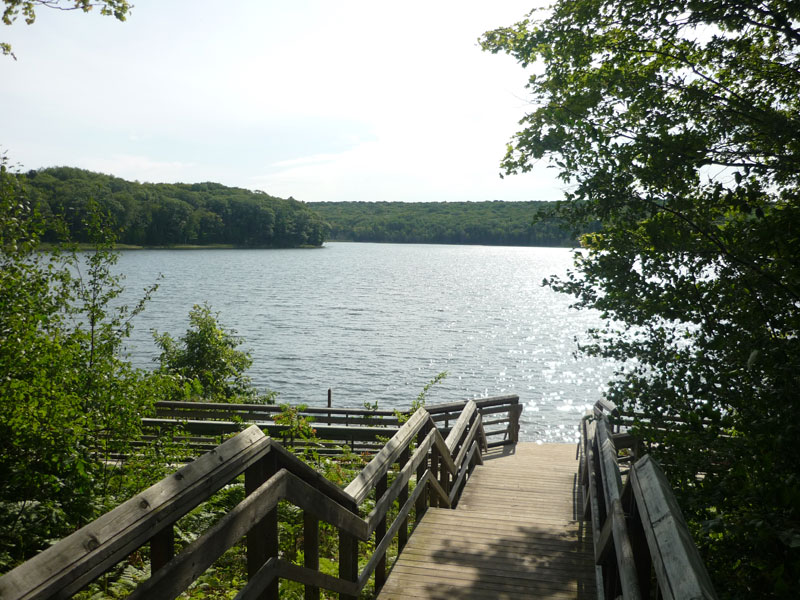
Discover some of the best family-friendly Ontario provincial parks for camping, swimming, hiking, paddling, wildlife watching, and outdoor adventures. From Sandbanks and Pinery to Algonquin, Awenda, Killbear, and more, these parks offer plenty of ways for families to enjoy time together outside.
-
Scenic Drives Near Ontario Provincial Parks
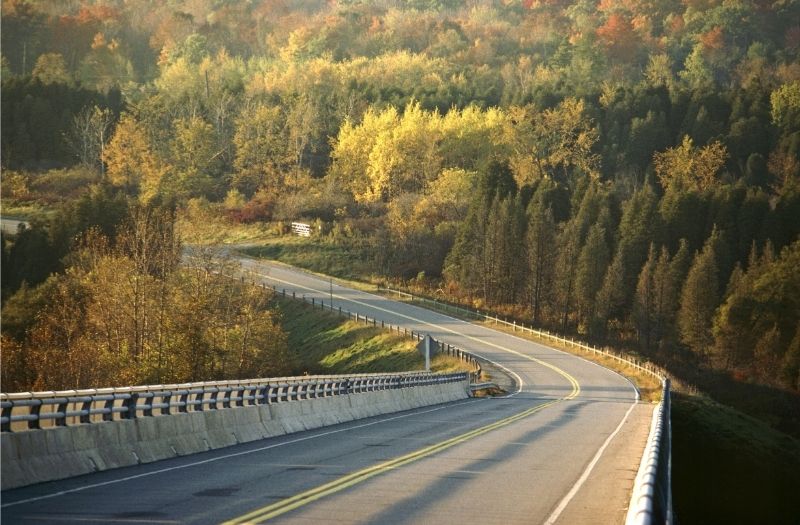
Discover some of the best scenic drives near Ontario provincial parks, from Highway 60 through Algonquin to the rugged Lake Superior shoreline. Explore beautiful routes near Killarney, Bon Echo, Pinery, the Bruce Peninsula, and Northwestern Ontario, with ideas for viewpoints, small towns, hikes, beaches, and stops along the way.
-

Why Bon Echo Provincial Park Is One of Ontario’s Most Unique Parks
Discover what makes Bon Echo Provincial Park one of Ontario’s most unique camping destinations. From towering Mazinaw Rock and Indigenous pictographs to paddling, hiking, beaches, and backcountry camping, Bon Echo offers an unforgettable combination of scenery, history, culture, and outdoor adventure.
-
Why the Track and Tower Trail Is One of Ontario’s Best Hikes
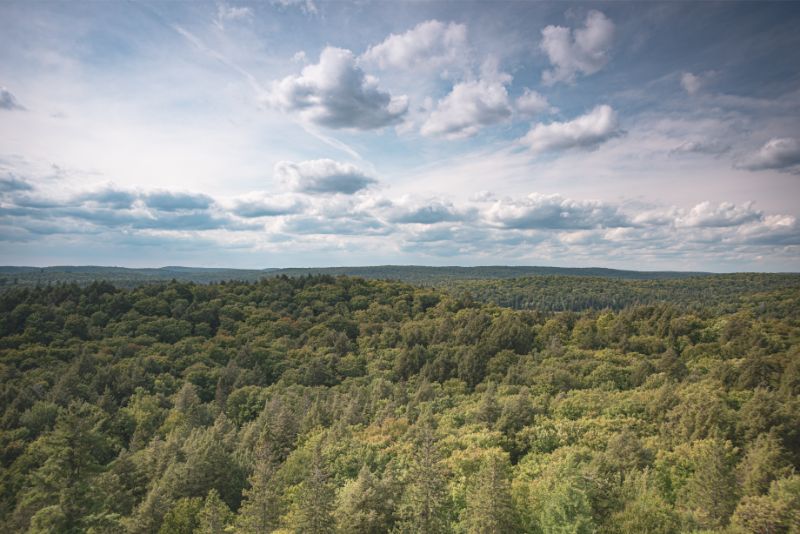
Algonquin Provincial Park is home to some of the most scenic hiking trails in Ontario, but few are as popular as the Track and Tower Trail. Combining panoramic lake views, peaceful forests, fascinating railway history, and just the right amount of challenge, this trail offers an experience that appeals to both casual hikers and outdoor…
-

Quiet Campgrounds in Ontario Provincial Parks for a Relaxing Getaway
Looking to escape the crowds? Discover quiet campgrounds in Ontario Provincial Parks where you can relax, paddle peaceful lakes, hike scenic trails, and reconnect with nature on your next camping getaway.