Wabakimi Provincial Park is a non-operating provincial park located north of Lake Nipigon in Northwestern Ontario. It protects a vast area of Canadian Shield landscape composed of interconnected lakes, rivers, wetlands, and boreal forest, shaped by glacial activity and long-established water systems. The park is one of Ontario’s largest protected areas and remains largely undeveloped.
Waterways form the backbone of the park, with extensive lake and river systems that support long-distance canoe travel and backcountry navigation. These routes pass through remote environments that include quiet lakes, moving water, portages, and forested shorelines. The surrounding landscape provides habitat for wildlife typical of northern boreal ecosystems, including large mammals, aquatic species, and migratory birds.
As a non-operating park, Wabakimi Provincial Park has no developed facilities, maintained trails, or designated campgrounds. Access is limited and often requires rail, air, or water travel. Recreational use is restricted to self-sufficient, low-impact activities consistent with wilderness travel. Park management focuses on conserving large-scale natural systems and maintaining the park’s ecological integrity while allowing carefully managed backcountry use.
General Information
Year Established: 1983
Park Size: 892061.00 ha
Park Classification: Wilderness
Opening and Closing Date: January 1, 2025 to December 31, 2025
Phone: 807-475-1634
Location
Wabakimi Provincial Park is situated near Nipigon, a town known for its proximity to Lake Superior and the breathtaking scenery that surrounds it. Accessible by road, rail, or floatplane, the park is a remote yet accessible destination, providing a true retreat into the heart of Ontario’s wilderness.
Latitude: 49.758122 Longitude: -92.653490
Facilities & Recreation
Wabakimi Provincial Park is one of Ontario’s largest and most remote wilderness parks, protecting an immense expanse of boreal forest, rivers, and lakes in northwestern Ontario. The park is best known for its scale and isolation, offering visitors a true backcountry experience where travel, camping, and exploration require careful planning, strong navigation skills, and full self-sufficiency.
Canoeing and kayaking are the heart of the Wabakimi experience. With more than 2,000 kilometres of interconnected lakes, rivers, and portage routes, the park is widely regarded as a world-class paddling destination. Routes range from long stretches of calm flatwater to demanding whitewater sections, making it suitable for both experienced wilderness paddlers and well-prepared newcomers traveling with guides or outfitters. Many routes link historic waterways once used by Indigenous peoples and fur traders, adding a strong sense of history to modern trips.
Boating regulations vary by area. In the original boundaries of the park, motorboat use is restricted to authorized tourist operators, helping preserve the wilderness character of these interior routes. In expanded sections of the park, motorboats may be permitted, but visitors must be careful to understand where these boundaries lie and what rules apply. Anyone planning to use a motorized craft should confirm current regulations before their trip to avoid unintentional violations.
Fishing in Wabakimi is outstanding due to its size, low fishing pressure, and healthy aquatic ecosystems. Anglers can expect to find walleye, northern pike, lake trout, yellow perch, and whitefish in many lakes and rivers, with larger bodies of water such as Wabakimi Lake and Smoothrock Lake particularly well known for their productive fisheries. A valid Ontario fishing licence is required, and visitors are encouraged to follow conservation-minded practices in this remote environment.
Backcountry camping is available throughout the park, with countless undeveloped tenting areas located along canoe routes and shorelines. Campsites are rustic and unmarked, typically consisting of natural clearings near the water, sometimes with existing fire rings. Campers must practice strict Leave No Trace principles, pack out all waste, and be prepared for complete isolation, as there are no services, maintained facilities, or easy exit points once deep in the park.
Swimming is possible in many of Wabakimi’s lakes, some of which feature natural sandy or rocky shorelines that make for excellent rest stops during long paddling days. The water is generally clear and refreshing, though often cool, even in summer. Hunting is permitted in designated areas during specific seasons, in accordance with Ontario regulations, and requires careful attention to park zoning and seasonal restrictions.
Nearby Attractions
Armstrong Station: Serving as the primary gateway to Wabakimi Provincial Park, this small community provides essential services, accommodations, and outfitting options for visitors venturing into the park’s vast wilderness.
Via Rail Service: The Canadian National Railway’s main line skirts the southern end of Wabakimi, with Via Rail offering passenger service twice a week. This unique access allows adventurers to reach remote areas of the park that are otherwise inaccessible by road.
Local Outfitters: Several outfitters in the vicinity, such as Wabakimi Canoe Outfitters and Ecolodge, provide guided trips, equipment rentals, and logistical support for exploring the park’s extensive network of canoe routes and pristine waterways.
Helpful Links
Nearby Parks
Park Blog
-

Radio-Free Campgrounds in Ontario Provincial Parks
Looking for a quieter camping experience? Discover radio-free campgrounds in Ontario Provincial Parks, including options at Awenda, Bon Echo, Algonquin, Grundy Lake, MacGregor Point, Balsam Lake and more. Learn what radio-free camping means, how it differs from generator-free camping, and how to choose the right campsite for your next Ontario adventure.
-
Family-Friendly Ontario Provincial Parks Worth Visiting
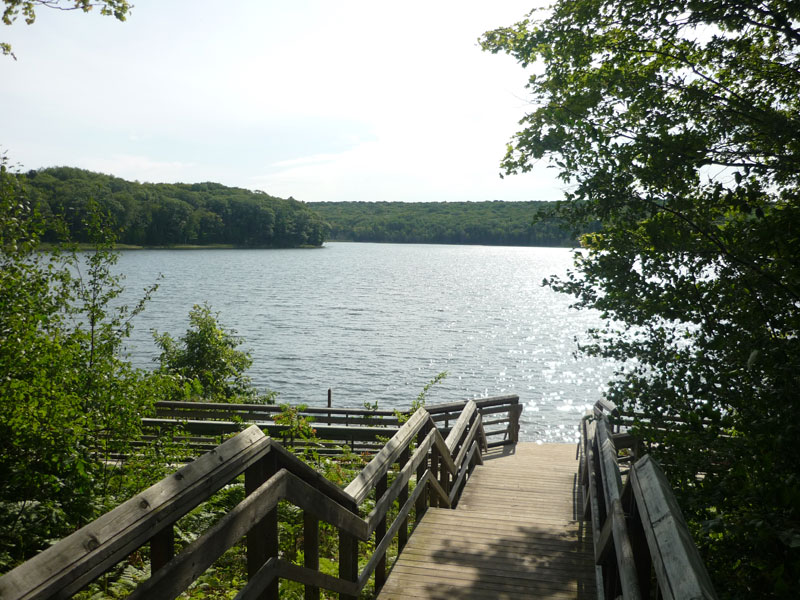
Discover some of the best family-friendly Ontario provincial parks for camping, swimming, hiking, paddling, wildlife watching, and outdoor adventures. From Sandbanks and Pinery to Algonquin, Awenda, Killbear, and more, these parks offer plenty of ways for families to enjoy time together outside.
-
Scenic Drives Near Ontario Provincial Parks
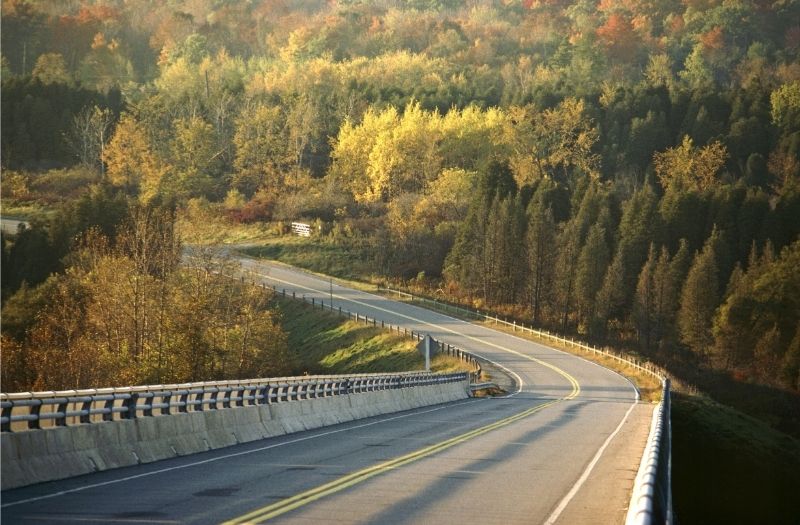
Discover some of the best scenic drives near Ontario provincial parks, from Highway 60 through Algonquin to the rugged Lake Superior shoreline. Explore beautiful routes near Killarney, Bon Echo, Pinery, the Bruce Peninsula, and Northwestern Ontario, with ideas for viewpoints, small towns, hikes, beaches, and stops along the way.
-

Why Bon Echo Provincial Park Is One of Ontario’s Most Unique Parks
Discover what makes Bon Echo Provincial Park one of Ontario’s most unique camping destinations. From towering Mazinaw Rock and Indigenous pictographs to paddling, hiking, beaches, and backcountry camping, Bon Echo offers an unforgettable combination of scenery, history, culture, and outdoor adventure.
-
Why the Track and Tower Trail Is One of Ontario’s Best Hikes
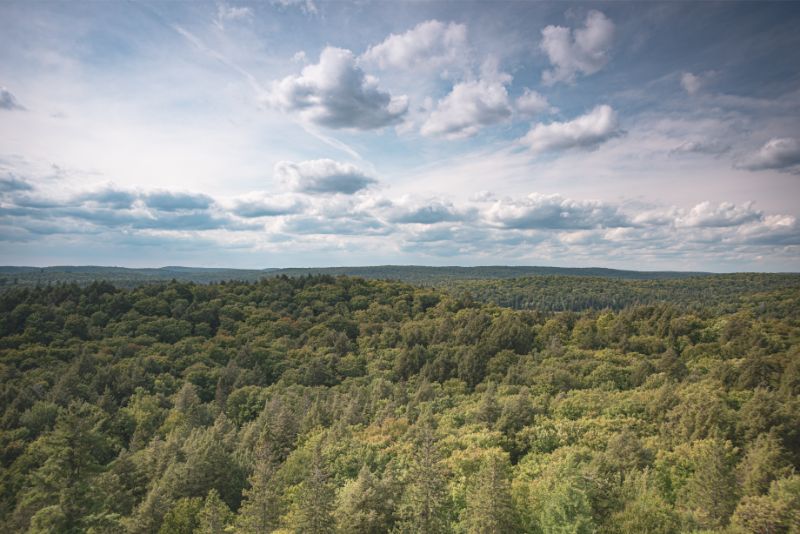
Algonquin Provincial Park is home to some of the most scenic hiking trails in Ontario, but few are as popular as the Track and Tower Trail. Combining panoramic lake views, peaceful forests, fascinating railway history, and just the right amount of challenge, this trail offers an experience that appeals to both casual hikers and outdoor…
-

Quiet Campgrounds in Ontario Provincial Parks for a Relaxing Getaway
Looking to escape the crowds? Discover quiet campgrounds in Ontario Provincial Parks where you can relax, paddle peaceful lakes, hike scenic trails, and reconnect with nature on your next camping getaway.