Polar Bear Provincial Park is located in Ontario’s Far North, near Moosonee, and protects a vast expanse of coastal tundra, wetlands, and boreal lowlands along the southern shore of Hudson Bay. Covering more than 23,500 square kilometres, it is Ontario’s largest provincial park and one of the most extensive protected wilderness areas in Canada. The park lies within the Hudson Bay Lowlands, a globally significant ecological region shaped by peatlands, tidal flats, rivers, and permafrost-influenced terrain.
The park is named for the polar bears that use its coastline as seasonal habitat, particularly during the ice-free period on Hudson Bay. It also supports caribou, wolves, Arctic foxes, and large populations of migratory birds, including snow geese and shorebirds that rely on the wetlands for breeding and staging. These landscapes play a critical role in supporting wildlife adapted to Arctic and sub-Arctic conditions and are among the least disturbed ecosystems in Ontario.
Polar Bear Provincial Park is a non-operating park with no roads, facilities, or marked trails. Access is highly restricted and typically limited to permitted research, monitoring, or Indigenous use, with travel generally by aircraft or boat. The park also encompasses areas of long-standing cultural importance to Cree communities, reflecting generations of connection to the land. Its protected status helps ensure the long-term conservation of sensitive northern ecosystems and the wildlife that depend on them.
General Information
Location
Latitude: 49.758122 Longitude: -92.653490
Facilities & Recreation
Polar Bear Provincial Park is Ontario’s largest and most remote provincial park, protecting an immense wilderness along the southern shores of James Bay. Access to the park is highly restricted and requires special permission and permits, with most visitors arriving by chartered aircraft. Travel within the park is only suitable for highly experienced wilderness users who are prepared for extreme isolation and rapidly changing conditions.
There are no formal day-use areas or visitor facilities, but those who have arranged access may explore the landscape for limited periods, weather permitting. Fishing is permitted in the park’s rivers and coastal waters, where species such as brook trout and northern pike can be found, though conditions are exceptionally remote. All activities require careful planning due to the lack of services and emergency support.
The park has no maintained hiking trails, and movement is primarily on foot across open tundra, wetlands, and along riverbanks. Hunting is permitted in accordance with Ontario regulations, but access and activities are also guided by traditional Indigenous land use agreements and park policies. Visitors must be aware of wildlife, including polar bears, and take appropriate safety precautions.
Wilderness camping is allowed only in a fully self-sufficient manner, with no designated campsites or infrastructure. Strict adherence to Leave No Trace principles is essential to protect the fragile tundra environment. Pets are permitted but must be kept under strict control at all times, and winter travel is limited to rare, highly specialized expeditions capable of operating in severe Arctic conditions.
Nearby Attractions
Railcar Museum: Located on First Street in Moosonee, this museum offers insights into the region’s railway history, showcasing artifacts and exhibits related to the area’s development.
MNR Interpretative Centre: Situated on Revillion Road, this center provides educational displays about the local environment, wildlife, and conservation efforts in the Moosonee area.
Christ the King Cathedral Church: An architectural landmark on First Street, this church serves as a spiritual hub for the community and reflects the town’s cultural heritage.
St. Thomas’ Anglican Church: Located in Moosonee, this historic church offers a glimpse into the town’s religious history and community traditions.
Moose River: Flowing near Moosonee, the Moose River provides opportunities for fishing, boating, and observing local wildlife in a serene natural setting.
Nearby Parks
Park Blog
-

Radio-Free Campgrounds in Ontario Provincial Parks
Looking for a quieter camping experience? Discover radio-free campgrounds in Ontario Provincial Parks, including options at Awenda, Bon Echo, Algonquin, Grundy Lake, MacGregor Point, Balsam Lake and more. Learn what radio-free camping means, how it differs from generator-free camping, and how to choose the right campsite for your next Ontario adventure.
-
Family-Friendly Ontario Provincial Parks Worth Visiting
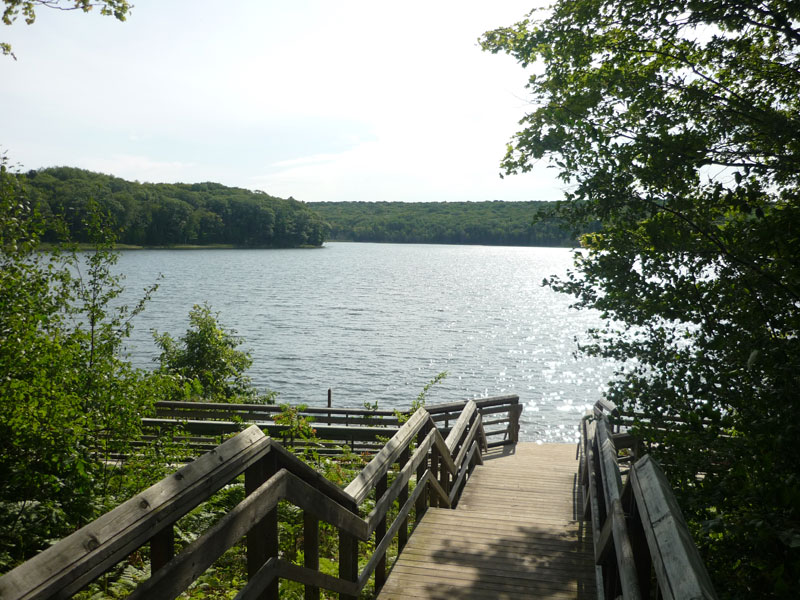
Discover some of the best family-friendly Ontario provincial parks for camping, swimming, hiking, paddling, wildlife watching, and outdoor adventures. From Sandbanks and Pinery to Algonquin, Awenda, Killbear, and more, these parks offer plenty of ways for families to enjoy time together outside.
-
Scenic Drives Near Ontario Provincial Parks
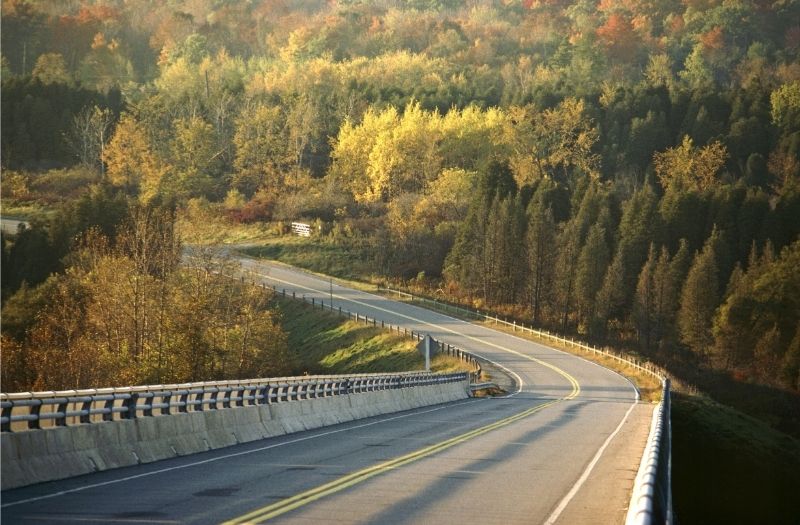
Discover some of the best scenic drives near Ontario provincial parks, from Highway 60 through Algonquin to the rugged Lake Superior shoreline. Explore beautiful routes near Killarney, Bon Echo, Pinery, the Bruce Peninsula, and Northwestern Ontario, with ideas for viewpoints, small towns, hikes, beaches, and stops along the way.
-

Why Bon Echo Provincial Park Is One of Ontario’s Most Unique Parks
Discover what makes Bon Echo Provincial Park one of Ontario’s most unique camping destinations. From towering Mazinaw Rock and Indigenous pictographs to paddling, hiking, beaches, and backcountry camping, Bon Echo offers an unforgettable combination of scenery, history, culture, and outdoor adventure.
-
Why the Track and Tower Trail Is One of Ontario’s Best Hikes
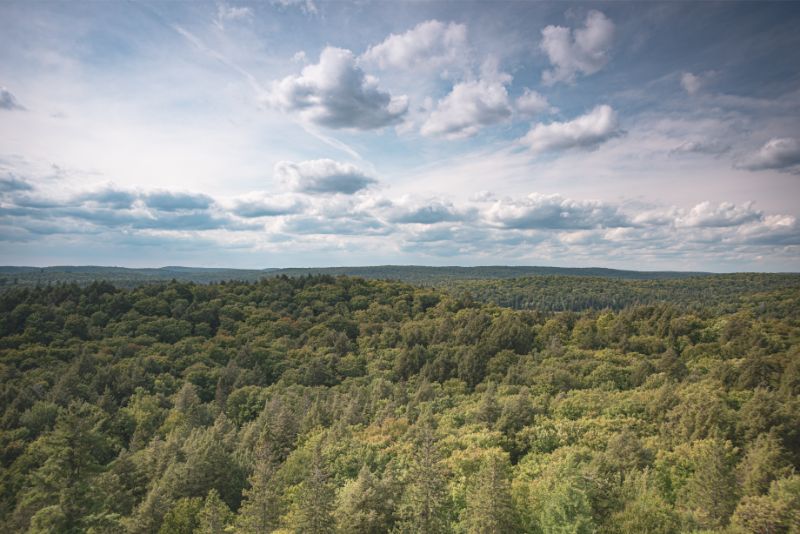
Algonquin Provincial Park is home to some of the most scenic hiking trails in Ontario, but few are as popular as the Track and Tower Trail. Combining panoramic lake views, peaceful forests, fascinating railway history, and just the right amount of challenge, this trail offers an experience that appeals to both casual hikers and outdoor…
-

Quiet Campgrounds in Ontario Provincial Parks for a Relaxing Getaway
Looking to escape the crowds? Discover quiet campgrounds in Ontario Provincial Parks where you can relax, paddle peaceful lakes, hike scenic trails, and reconnect with nature on your next camping getaway.