Makobe-Grays River Provincial Park is located near Englehart, Ontario, and protects a remote section of the Makobe and Grays river systems within northeastern Ontario. The park is classified as a non-operating waterway provincial park and was established to conserve a large, undeveloped river corridor representative of Canadian Shield geology and boreal forest ecosystems.
The park encompasses a complex network of rivers, lakes, rapids, and waterfalls shaped by exposed bedrock and glacial processes. These waterways support cold, well-oxygenated aquatic habitats and are surrounded by forested uplands and wetlands that contribute to ecological diversity across the landscape. The river system provides habitat for fish species such as walleye and northern pike, as well as wildlife commonly associated with low-disturbance northern environments.
Makobe-Grays River Provincial Park is intended for low-impact, self-sufficient backcountry use. There are no developed facilities, maintained trails, or designated campsites, and access is typically by water. Canoe travel, angling, wildlife observation, and backcountry camping at unmanaged sites may occur where consistent with conservation objectives.
The park’s primary purpose is to preserve the natural condition of an extensive wilderness river system while allowing limited recreational use that does not compromise ecological integrity. Its value lies in maintaining a largely intact landscape where natural processes continue with minimal human influence.
General Information
Year Established: 1985
Park Size: 1427.00 ha
Park Classification: Waterway
Opening and Closing Date: May 9, 2025 to October 26, 2025
Phone: 705-569-3205
Location
Makobe-Grays River Provincial Park is situated near Englehart in Ontario, Canada. Its remote location ensures a tranquil escape into the heart of Northern Ontario’s untamed landscapes.
Latitude: 49.6583346 Longitude: -89.40982199
Facilities & Recreation
Makobe-Grays River Provincial Park is a remote, non-operating wilderness park managed for backcountry travel and low-impact recreation. There are no staffed entrances, visitor services, or developed facilities within the park. Access is unstaffed and typically achieved via remote entry points, requiring visitors to be fully self-sufficient and prepared for extended travel in isolated river environments.
Canoeing and kayaking are the primary activities and the main reason most visitors enter the park. The Makobe and Grays Rivers form a classic northern Ontario canoe route featuring a mix of long flatwater sections and technical whitewater. Paddlers can expect a demanding route that includes frequent rapids, portages, and changing water conditions. The park is best suited to experienced canoeists who are comfortable navigating Class I to Class III rapids, scouting lines, and managing portages in rugged terrain.
Boating is permitted within the park, but travel is overwhelmingly non-motorized. The narrow river corridors, rapids, and shallow sections make motorized use impractical and uncommon. Conditions vary by season, with spring and early summer often providing higher water levels and more challenging whitewater sections.
Fishing is permitted throughout the river system, particularly in calmer stretches, pools, and near portage landings. Anglers may encounter species such as northern pike and brook trout. All fishing activity must comply with Ontario fishing regulations, and access to fishing locations is typically by canoe rather than from shore.
Backcountry camping is permitted at primitive, non-maintained sites located along the river corridor, often near traditional stopping points and portage routes. These campsites have no services or constructed amenities. Visitors must follow Leave No Trace principles, as facilities such as pit toilets are minimal or absent, and natural site selection is part of the wilderness experience.
There is no treated drinking water available in Makobe-Grays River Provincial Park. Visitors must carry adequate water supplies or be prepared to properly treat water drawn from rivers and lakes. Pets are permitted but must be kept under control at all times to protect wildlife and minimize disturbance in this sensitive wilderness setting.
Hunting is permitted during regulated Ontario hunting seasons in accordance with provincial laws and licensing requirements. The park’s size and remoteness require hunters to be highly aware of boundaries, access limitations, and safety considerations.
The park is not maintained for winter use, but experienced backcountry travelers may access the area for winter camping or snowshoeing. Winter travel is challenging and requires advanced navigation, survival skills, and careful planning due to the lack of maintained access routes or emergency services.
Nearby Attractions
Englehart and Area Historical Museum: Housed in a former 1909 residence, this museum showcases local artifacts and exhibits that chronicle the rich history and cultural heritage of the Englehart region.
Hilliardton Marsh Research and Education Centre: A haven for bird enthusiasts, this center offers educational programs and bird banding demonstrations, highlighting the importance of wetland conservation and the diverse avian species that inhabit the area.
Englehart River: Flowing through the region, the Englehart River offers picturesque landscapes and opportunities for paddling and fishing, making it a serene spot for nature enthusiasts.
Englehart Arena: A hub for local sports and community events, the arena hosts hockey games, public skating sessions, and various recreational activities throughout the year.
Nearby Parks
Park Blog
-

Radio-Free Campgrounds in Ontario Provincial Parks
Looking for a quieter camping experience? Discover radio-free campgrounds in Ontario Provincial Parks, including options at Awenda, Bon Echo, Algonquin, Grundy Lake, MacGregor Point, Balsam Lake and more. Learn what radio-free camping means, how it differs from generator-free camping, and how to choose the right campsite for your next Ontario adventure.
-
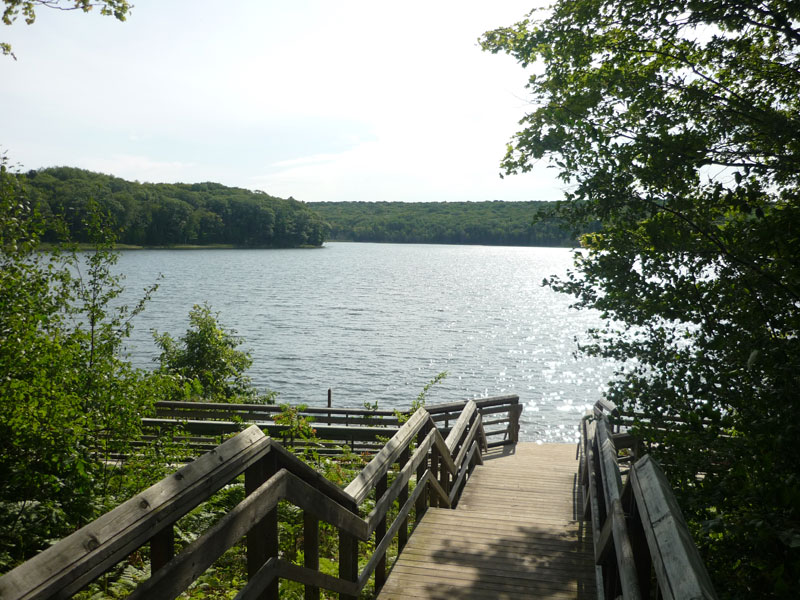
Family-Friendly Ontario Provincial Parks Worth Visiting
Discover some of the best family-friendly Ontario provincial parks for camping, swimming, hiking, paddling, wildlife watching, and outdoor adventures. From Sandbanks and Pinery to Algonquin, Awenda, Killbear, and more, these parks offer plenty of ways for families to enjoy time together outside.
-
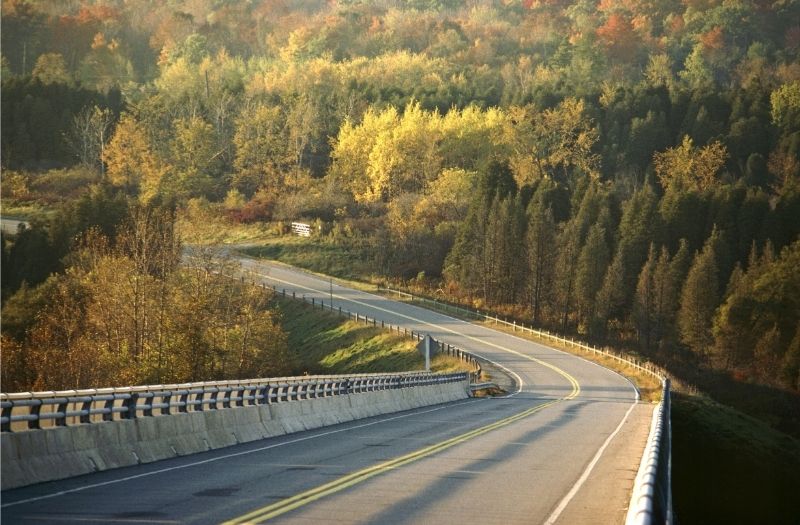
Scenic Drives Near Ontario Provincial Parks
Discover some of the best scenic drives near Ontario provincial parks, from Highway 60 through Algonquin to the rugged Lake Superior shoreline. Explore beautiful routes near Killarney, Bon Echo, Pinery, the Bruce Peninsula, and Northwestern Ontario, with ideas for viewpoints, small towns, hikes, beaches, and stops along the way.
-

Why Bon Echo Provincial Park Is One of Ontario’s Most Unique Parks
Discover what makes Bon Echo Provincial Park one of Ontario’s most unique camping destinations. From towering Mazinaw Rock and Indigenous pictographs to paddling, hiking, beaches, and backcountry camping, Bon Echo offers an unforgettable combination of scenery, history, culture, and outdoor adventure.
-
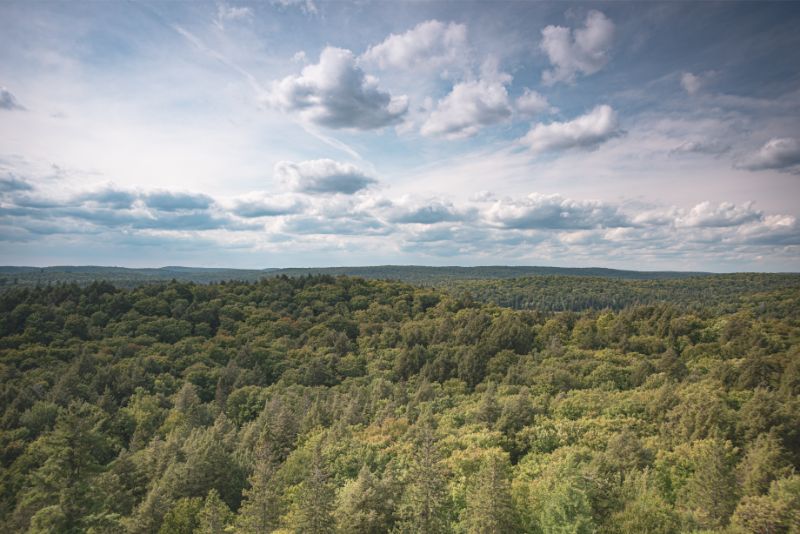
Why the Track and Tower Trail Is One of Ontario’s Best Hikes
Algonquin Provincial Park is home to some of the most scenic hiking trails in Ontario, but few are as popular as the Track and Tower Trail. Combining panoramic lake views, peaceful forests, fascinating railway history, and just the right amount of challenge, this trail offers an experience that appeals to both casual hikers and outdoor…
-

Quiet Campgrounds in Ontario Provincial Parks for a Relaxing Getaway
Looking to escape the crowds? Discover quiet campgrounds in Ontario Provincial Parks where you can relax, paddle peaceful lakes, hike scenic trails, and reconnect with nature on your next camping getaway.