Lower Madawaska River Provincial Park is located near Quadeville, Ontario, and protects a section of the Madawaska River within the Ottawa Valley region. The park is classified as a non-operating waterway provincial park and was established to conserve the river corridor, associated shorelands, and surrounding forest typical of this part of eastern Ontario.
The park follows the natural course of the Madawaska River, which includes a sequence of flowing stretches, rapids, and calmer pools shaped by Canadian Shield bedrock and glacial deposits. This river system supports aquatic habitat for fish species such as smallmouth bass and walleye, while the riparian forests and wetlands provide habitat for birds and other wildlife associated with river environments.
Lower Madawaska River Provincial Park is managed for low-impact, self-sufficient recreation. There are no developed facilities, designated campsites, or maintained trails. Access is primarily by water, and activities commonly associated with the park include canoeing, kayaking, angling, wildlife observation, and informal backcountry use consistent with conservation objectives.
The park’s primary purpose is to maintain the ecological integrity of a functioning river system while allowing limited recreational use that does not compromise natural processes. Its value lies in preserving a natural waterway corridor where the river and surrounding landscapes remain largely undeveloped.
General Information
Location
Lower Madawaska River Provincial Park is strategically located near Quadeville, providing easy access for both local residents and those seeking an authentic wilderness escape. For detailed information on the park’s location, directions, and essential details, the official website Lower Madawaska River Provincial Park serves as a valuable resource.
Latitude: 49.6583346 Longitude: -89.40982199
Facilities & Recreation
Lower Madawaska River Provincial Park is a non-operating, waterway-focused park known for its mix of flatwater and whitewater river travel. There are no staffed entrances, fees, or developed visitor facilities, and visitors should be prepared for a self-guided experience with minimal services. Access to the river is typically gained through informal launch points such as Aumonds Bay and Buck Bay, which serve as common entry and exit locations for paddlers.
Canoeing and kayaking are the primary ways to experience the park and are the main reasons many visitors come to the Lower Madawaska. The river is well known for its whitewater sections, which include a series of rapids ranging from Class I to Class III. These stretches are suitable for intermediate to advanced paddlers, with portage routes available around more challenging rapids. Quieter sections of flatwater provide opportunities for relaxed travel between whitewater runs, making the river appealing to a range of experienced paddlers.
Fishing is permitted along the Madawaska River, where anglers may encounter species such as trout and bass. A valid Ontario fishing licence is required, and all fishing activity must follow provincial regulations. Day-use visits are possible for paddling, fishing, and short stops along the river, though there are no formal picnic areas or developed day-use facilities.
Backcountry camping is available at designated canoe-accessible sites located along the river corridor. There are approximately 36 backcountry campsites, each offering basic features such as fire pits and minimal infrastructure. Earth pit toilets are available at some access points and campsites, but overall services are limited. Larger groups may use multiple adjacent sites where available, provided they follow Leave No Trace principles and minimize environmental impact.
There are no maintained hiking trails within the park, but informal routes and portage paths provide opportunities for short hikes and exploration. Some routes lead to elevated areas such as Mount Jamieson, offering scenic views over the river valley. These paths are undeveloped and require good footing and navigation awareness.
Hunting is permitted in designated areas during regulated seasons in accordance with Ontario hunting regulations, and participants must be properly licensed. Pets are allowed within the park but must be kept on a leash and under control at all times to protect wildlife and ensure safety near fast-moving water.
While the park is not maintained for winter use, experienced visitors may access the area for activities such as snowshoeing or ice fishing under appropriate conditions.
Nearby Attractions
Madawaska River: Renowned for its whitewater sections, the river provides thrilling opportunities for rafting and kayaking enthusiasts.
ATV Trails in Greater Madawaska: The township boasts an extensive network of scenic ATV trails, winding through forests, wetlands, and rolling hills, offering adventure seekers a memorable off-road experience.
Eagle’s Nest Lookout: Accessible via the Manitou Mountain Trail, this vantage point offers breathtaking panoramic views of the surrounding landscapes, making it a popular spot for hikers and photographers.
Calabogie Peaks Resort: Beyond its winter skiing facilities, the resort provides year-round activities, including hiking, mountain biking, and golfing, set against the picturesque backdrop of the Ottawa Valley.
Centennial Lake: A reservoir lake created in the 1960s, Centennial Lake is ideal for boating, fishing, and camping, with its serene waters and scenic surroundings attracting visitors seeking relaxation and outdoor recreation.
Nearby Parks
Park Blog
-

Radio-Free Campgrounds in Ontario Provincial Parks
Looking for a quieter camping experience? Discover radio-free campgrounds in Ontario Provincial Parks, including options at Awenda, Bon Echo, Algonquin, Grundy Lake, MacGregor Point, Balsam Lake and more. Learn what radio-free camping means, how it differs from generator-free camping, and how to choose the right campsite for your next Ontario adventure.
-
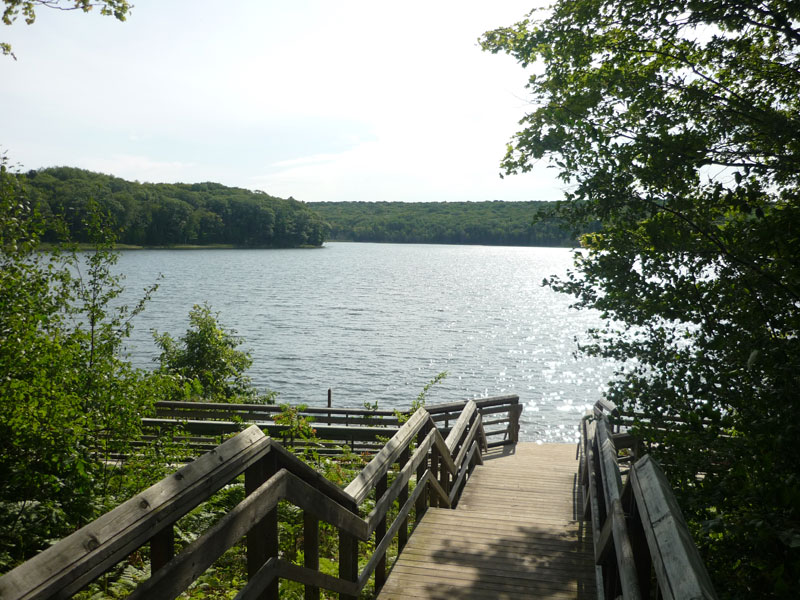
Family-Friendly Ontario Provincial Parks Worth Visiting
Discover some of the best family-friendly Ontario provincial parks for camping, swimming, hiking, paddling, wildlife watching, and outdoor adventures. From Sandbanks and Pinery to Algonquin, Awenda, Killbear, and more, these parks offer plenty of ways for families to enjoy time together outside.
-
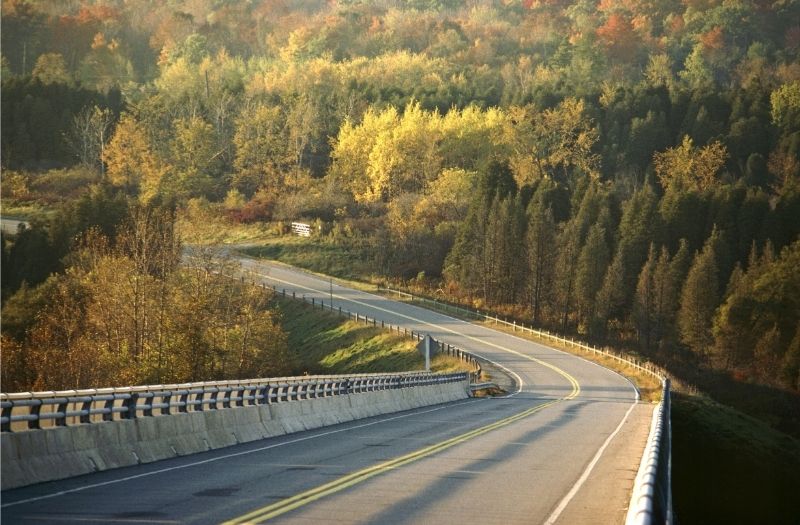
Scenic Drives Near Ontario Provincial Parks
Discover some of the best scenic drives near Ontario provincial parks, from Highway 60 through Algonquin to the rugged Lake Superior shoreline. Explore beautiful routes near Killarney, Bon Echo, Pinery, the Bruce Peninsula, and Northwestern Ontario, with ideas for viewpoints, small towns, hikes, beaches, and stops along the way.
-

Why Bon Echo Provincial Park Is One of Ontario’s Most Unique Parks
Discover what makes Bon Echo Provincial Park one of Ontario’s most unique camping destinations. From towering Mazinaw Rock and Indigenous pictographs to paddling, hiking, beaches, and backcountry camping, Bon Echo offers an unforgettable combination of scenery, history, culture, and outdoor adventure.
-
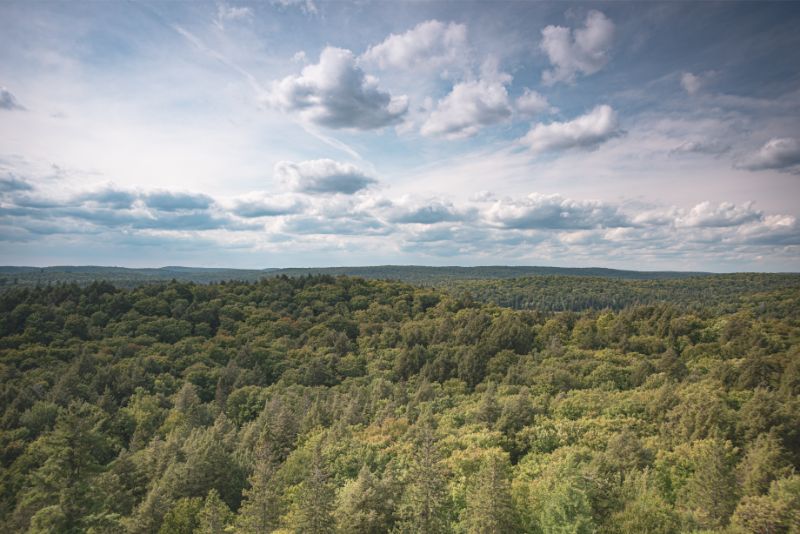
Why the Track and Tower Trail Is One of Ontario’s Best Hikes
Algonquin Provincial Park is home to some of the most scenic hiking trails in Ontario, but few are as popular as the Track and Tower Trail. Combining panoramic lake views, peaceful forests, fascinating railway history, and just the right amount of challenge, this trail offers an experience that appeals to both casual hikers and outdoor…
-

Quiet Campgrounds in Ontario Provincial Parks for a Relaxing Getaway
Looking to escape the crowds? Discover quiet campgrounds in Ontario Provincial Parks where you can relax, paddle peaceful lakes, hike scenic trails, and reconnect with nature on your next camping getaway.