Little Abitibi Provincial Park is located near Cochrane, Ontario, and protects a large, remote landscape within northeastern Ontario’s boreal region. Classified as a non-operating provincial park, it was established to conserve extensive freshwater systems, wetlands, and forested terrain representative of this part of the province.
The park contains numerous lakes, rivers, and marshes connected by natural waterways, including Little Abitibi Lake and the Little Abitibi River. These water systems support fish species such as walleye and northern pike and form an important ecological network within the surrounding forest. The landscape is shaped by low relief, peatlands, and mixed boreal vegetation typical of northern Ontario.
Little Abitibi Provincial Park is managed for low-impact, self-sufficient use. There are no developed facilities, marked trails, or maintained campsites, and access is generally by water. Activities typically associated with the park include canoe travel, angling, wildlife observation, and backcountry camping consistent with conservation objectives.
The park’s primary role is to maintain ecological integrity across a large, undeveloped area while allowing limited recreational use that does not compromise natural processes. Its value lies in preserving a functioning wilderness landscape where human influence remains minimal and natural systems continue to operate largely undisturbed.
General Information
Year Established: 1985
Park Size: 20733.00 ha
Park Classification: Natural Environment
Phone: 705-235-1384
Location
Latitude: 49.6583346 Longitude: -89.40982199
Facilities & Recreation
Little Abitibi Provincial Park is a remote backcountry park designed primarily for wilderness travel and low-impact recreation. Access is controlled and facilities are limited, with the park intended for visitors who are comfortable planning self-supported trips in an undeveloped environment. There are no treated water systems or frontcountry services, and preparation is essential for safe travel.
Water travel defines the park experience. While there is no official boat launch, backcountry access points allow canoeists and small boats to enter the park’s interconnected waterways. Boating is permitted on Little Abitibi Lake and surrounding waters, with canoeing and kayaking serving as the primary ways to explore the park. These routes connect lakes and river systems, including sections of the Abitibi River, and offer a classic remote paddling experience.
Fishing is popular throughout the park, with anglers commonly targeting northern pike and walleye in Little Abitibi Lake and connected waters. A valid Ontario fishing licence is required, and all provincial regulations apply. Swimming is permitted in lakes and rivers, though there are no designated swimming areas or safety services, and visitors should exercise caution in open water.
There are no maintained hiking trails within the park, but informal travel is possible along portage routes and natural corridors between lakes and rivers. These paths are functional rather than recreational and require navigation skills and comfort with uneven terrain. Whitewater paddling opportunities are available on sections of the Abitibi River and are suitable only for experienced paddlers prepared for fast-moving water and technical conditions.
Backcountry camping is permitted throughout the park, with visitors selecting tent sites along travel routes and portages. There are no developed campgrounds, and firewood is not provided. Campers are encouraged to bring their own supply or collect only dead and downed wood where permitted. Basic pit toilets are available at some access points and camping areas, but amenities remain minimal. All campers are expected to follow Leave No Trace principles.
Hunting is permitted during regular Ontario hunting seasons in accordance with provincial regulations, and participants must be properly licensed. Pets are allowed but must be kept under control at all times due to the park’s wilderness setting. In winter, the park may be accessed by experienced users for activities such as ice fishing, though there are no maintained winter facilities and conditions can be challenging.
Nearby Attractions
New Post Falls: Situated a few kilometers north of Cochrane, New Post Falls presents a breathtaking vista with its towering gorge and roaring waters plunging into the pool below, creating a misty and surreal atmosphere.
Lake Abitibi: Straddling the Ontario-Quebec border, Lake Abitibi is a shallow lake dotted with over 900 islands, offering opportunities for fishing, boating, and exploring its unique geography and rich history.
Mount Cheminis: Also known as Mont Chaudron or Sugar-Loaf Mountain, this prominent geological feature near the Ontario-Quebec border provides panoramic views and holds spiritual significance for Indigenous communities.
Abitibi Lake Ice Fishing Adventure: During winter months, Abitibi Lake becomes a hub for ice fishing enthusiasts, offering a chance to experience this popular local activity amidst the serene, frozen landscape.
Hunting and Fishing Opportunities: The Cochrane area is renowned for its abundant wildlife, providing ample opportunities for hunting and fishing adventures in the vast northern Ontario wilderness.
Nearby Parks
Park Blog
-

Ontario Provincial Parks With the Best Hiking Trails
Discover nine Ontario Provincial Parks with some of the best hiking trails in the province. From scenic Lake Superior lookouts and challenging mountain climbs to waterfalls and easy family-friendly walks, explore outstanding hiking destinations. Compare trail distances, difficulty levels, and attractions, and find practical tips to help plan your next Ontario hiking adventure.
-

Where to Eat Near Pinery Provincial Park
Looking for somewhere to eat while camping at Pinery Provincial Park? Discover restaurants, cafés, pizza, pub food and easy takeout options in nearby Grand Bend and Port Franks, plus convenient food choices inside the park. Find ideas for breakfast, lunch or dinner when you’re ready to give the camp stove a break.
-

Visiting Sleeping Giant Provincial Park: What You Need to Know
Discover Sleeping Giant Provincial Park near Thunder Bay, from camping at Marie Louise Lake and hiking the famous Top of the Giant to paddling, cycling, fishing, and shorter nature trails. Learn what to pack, where to camp, when to visit, and what you should know before exploring this spectacular Northern Ontario park.
-

Radio-Free Campgrounds in Ontario Provincial Parks
Looking for a quieter camping experience? Discover radio-free campgrounds in Ontario Provincial Parks, including options at Awenda, Bon Echo, Algonquin, Grundy Lake, MacGregor Point, Balsam Lake and more. Learn what radio-free camping means, how it differs from generator-free camping, and how to choose the right campsite for your next Ontario adventure.
-
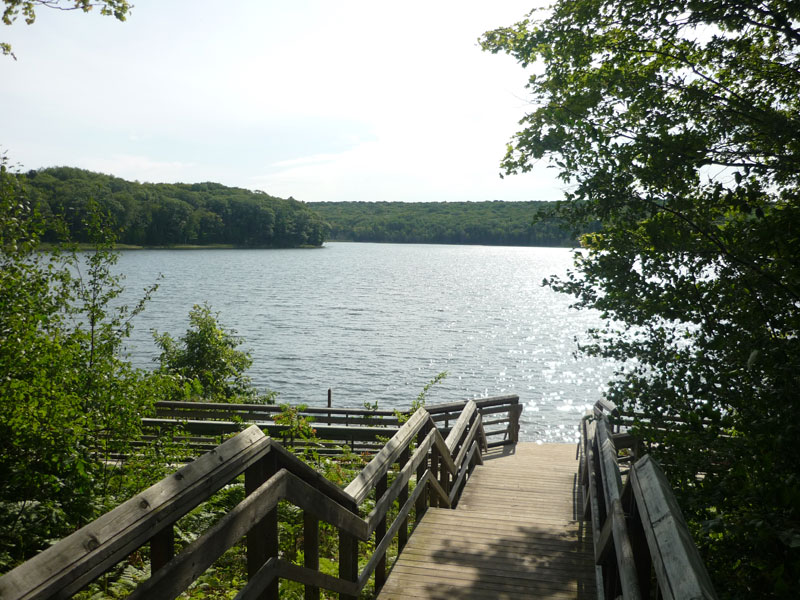
Family-Friendly Ontario Provincial Parks Worth Visiting
Discover some of the best family-friendly Ontario provincial parks for camping, swimming, hiking, paddling, wildlife watching, and outdoor adventures. From Sandbanks and Pinery to Algonquin, Awenda, Killbear, and more, these parks offer plenty of ways for families to enjoy time together outside.
-
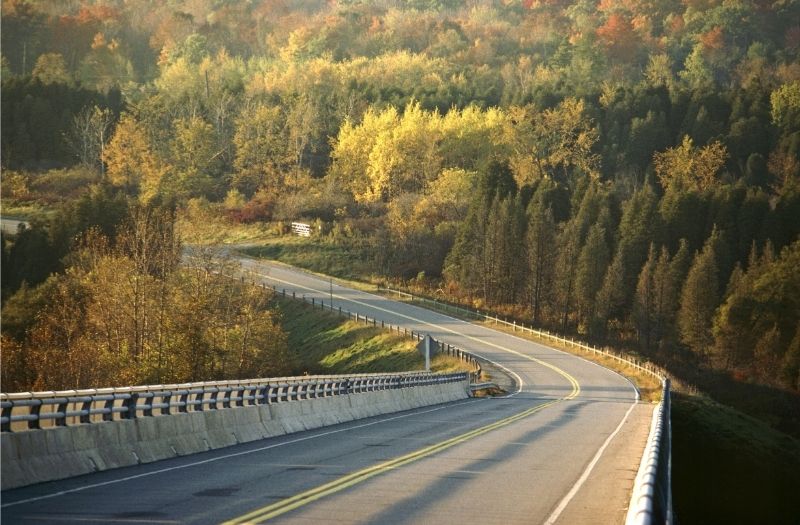
Scenic Drives Near Ontario Provincial Parks
Discover some of the best scenic drives near Ontario provincial parks, from Highway 60 through Algonquin to the rugged Lake Superior shoreline. Explore beautiful routes near Killarney, Bon Echo, Pinery, the Bruce Peninsula, and Northwestern Ontario, with ideas for viewpoints, small towns, hikes, beaches, and stops along the way.