Lake of the Woods Provincial Park is located near Rainy River, Ontario, and protects a remote section of shoreline along the vast Lake of the Woods. This non-operating provincial park was established to conserve representative landscapes of northwestern Ontario, including exposed Canadian Shield bedrock, boreal forest, and complex freshwater ecosystems shaped by one of the largest lake systems in the country.
The park forms part of the Lake of the Woods watershed, an extensive network of islands, bays, and channels that supports a wide range of plant and wildlife species. Cold, clear waters provide habitat for fish such as walleye, northern pike, and smallmouth bass, while the surrounding forests and shorelines support birds of prey, large mammals, and other species adapted to low-disturbance environments.
As there are no developed facilities or designated campgrounds, Lake of the Woods Provincial Park is intended for low-impact, self-sufficient recreation. Access is primarily by water, and permitted activities generally include boating, paddling, angling, wildlife observation, and backcountry use consistent with conservation objectives. The absence of infrastructure helps maintain the park’s natural character and limits environmental disturbance.
Lake of the Woods Provincial Park offers an example of Ontario’s protected northern landscapes where conservation takes priority and human presence remains minimal. Its value lies in preserving ecological integrity while allowing experienced visitors to engage with the area in a responsible and low-impact manner.
General Information
Year Established: 1967
Park Size: 20675.00 ha
Park Classification: Natural Environment
Phone: 807-548-4351 ext 221
Location
Lake of the Woods Provincial Park is situated in the province of Ontario, Canada. The park surrounds the expansive Lake of the Woods, and its address is:
Latitude: 49.6583346 Longitude: -89.40982199
Facilities & Recreation
Lake of the Woods Provincial Park is a non-operating, water-based park made up of a collection of islands scattered across the vast expanse of Lake of the Woods. There are no developed facilities, staffed access points, or entry fees, and visitors must be fully self-reliant. Access to the park is primarily by boat from nearby communities, and trips require careful planning due to the lake’s size and exposure to changing weather conditions.
Boating is the main way to reach and explore the park, allowing visitors to travel between islands and navigate sheltered bays as well as open water. Canoeing and kayaking are also popular, offering a quieter way to move through the island network and explore secluded shorelines. Paddlers should be prepared for long distances, wind exposure, and variable conditions, particularly when travelling across open stretches of the lake.
Fishing is one of the park’s most popular activities, with Lake of the Woods widely known for its productive fisheries. Anglers may encounter species such as walleye, northern pike, smallmouth bass, and muskellunge. A valid Ontario fishing licence is required, and all fishing activity must follow provincial regulations and conservation measures.
The park supports both day visits and overnight stays, although there are no designated day-use areas or picnic facilities. Visitors often enjoy informal picnics, swimming, and shoreline exploration on the islands during day trips. Swimming is permitted at natural shoreline access points, but there are no lifeguards or designated swimming areas, and caution is advised due to cold water and changing conditions.
Backcountry camping is permitted at a limited number of rustic campsites located on various islands within the park. These sites have no developed amenities, including pit toilets, and campers must follow Leave No Trace principles while managing all waste and water treatment independently. Camping here is best suited to experienced visitors comfortable with remote, self-supported travel.
There are no developed hiking trails within the park, though informal exploration on foot is possible on the islands. Hunting is permitted in accordance with Ontario hunting regulations and seasonal restrictions, and participants must ensure they are properly licensed. Pets are allowed but should be kept under control at all times to protect wildlife and ensure a positive experience for other visitors.
The park remains accessible year-round, though winter use is limited by the lack of facilities and maintenance. Any winter travel requires advanced planning, appropriate equipment, and experience with cold-weather and ice conditions. Overall, Lake of the Woods Provincial Park offers a quiet, island-based wilderness experience focused on boating, fishing, and low-impact recreation in a remote setting.
Nearby Attractions
Rainy River First Nations Heritage Centre: This cultural center showcases the rich history and traditions of the Rainy River First Nations, offering exhibits and programs that highlight Indigenous heritage.
Kay-Nah-Chi-Wah-Nung Historical Centre: Also known as Manitou Mounds, this National Historic Site features ancient burial mounds and provides insights into over 8,000 years of Indigenous history through guided tours and interpretive displays.
Rainy River Recreation Trails: A network of scenic trails suitable for hiking and biking, offering picturesque views of the Rainy River and opportunities for birdwatching and wildlife observation.
Harris Hill Resort: A family-friendly destination offering fishing, boating, and guided hunting experiences, along with comfortable accommodations and stunning views of Lake of the Woods.
Sable Islands Provincial Nature Reserve: Accessible by boat, this reserve protects a group of remote islands known for their unique flora and fauna, making it an excellent spot for nature enthusiasts and researchers.
Nearby Parks
Park Blog
-

Radio-Free Campgrounds in Ontario Provincial Parks
Looking for a quieter camping experience? Discover radio-free campgrounds in Ontario Provincial Parks, including options at Awenda, Bon Echo, Algonquin, Grundy Lake, MacGregor Point, Balsam Lake and more. Learn what radio-free camping means, how it differs from generator-free camping, and how to choose the right campsite for your next Ontario adventure.
-
Family-Friendly Ontario Provincial Parks Worth Visiting
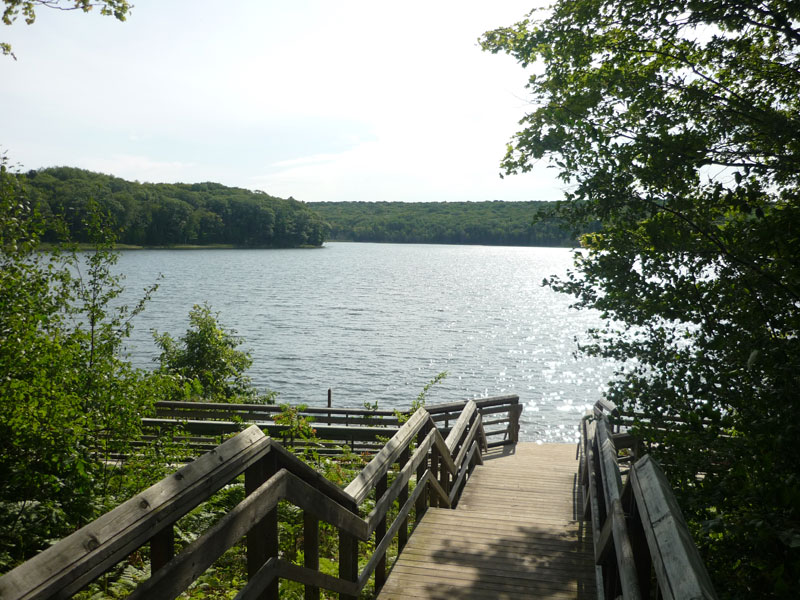
Discover some of the best family-friendly Ontario provincial parks for camping, swimming, hiking, paddling, wildlife watching, and outdoor adventures. From Sandbanks and Pinery to Algonquin, Awenda, Killbear, and more, these parks offer plenty of ways for families to enjoy time together outside.
-
Scenic Drives Near Ontario Provincial Parks
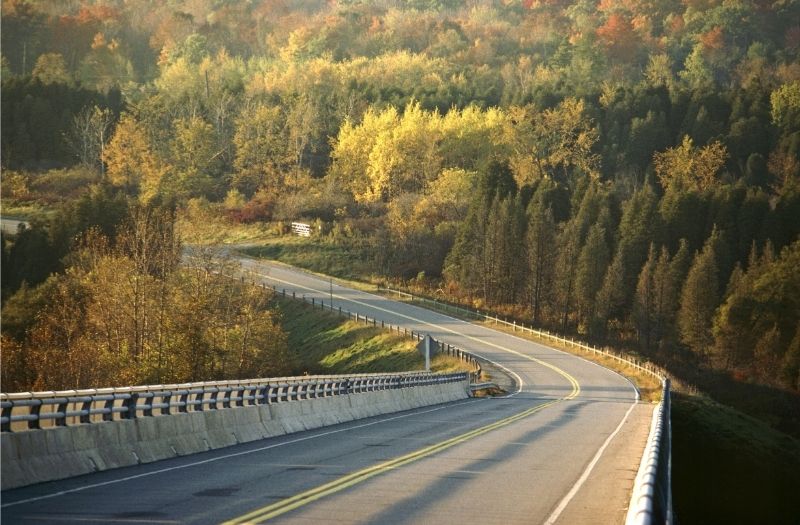
Discover some of the best scenic drives near Ontario provincial parks, from Highway 60 through Algonquin to the rugged Lake Superior shoreline. Explore beautiful routes near Killarney, Bon Echo, Pinery, the Bruce Peninsula, and Northwestern Ontario, with ideas for viewpoints, small towns, hikes, beaches, and stops along the way.
-

Why Bon Echo Provincial Park Is One of Ontario’s Most Unique Parks
Discover what makes Bon Echo Provincial Park one of Ontario’s most unique camping destinations. From towering Mazinaw Rock and Indigenous pictographs to paddling, hiking, beaches, and backcountry camping, Bon Echo offers an unforgettable combination of scenery, history, culture, and outdoor adventure.
-
Why the Track and Tower Trail Is One of Ontario’s Best Hikes
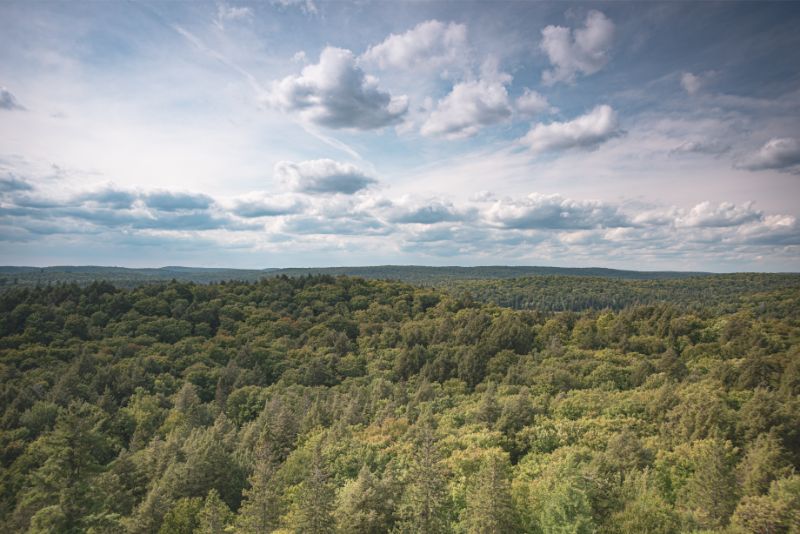
Algonquin Provincial Park is home to some of the most scenic hiking trails in Ontario, but few are as popular as the Track and Tower Trail. Combining panoramic lake views, peaceful forests, fascinating railway history, and just the right amount of challenge, this trail offers an experience that appeals to both casual hikers and outdoor…
-

Quiet Campgrounds in Ontario Provincial Parks for a Relaxing Getaway
Looking to escape the crowds? Discover quiet campgrounds in Ontario Provincial Parks where you can relax, paddle peaceful lakes, hike scenic trails, and reconnect with nature on your next camping getaway.