Gull River Provincial Park is a non-operating waterway park located in northern Ontario near Gull Bay. The park protects a stretch of the Gull River and the surrounding boreal forest landscape, with management focused on conservation rather than developed recreation. Its boundaries encompass river corridors, wetlands, and forested terrain typical of Ontario’s northern ecosystems.
The Gull River forms the central feature of the park, flowing through a mix of rocky shorelines, marshy lowlands, and wooded areas. These environments support a range of plant and animal species adapted to river and wetland habitats. The park’s remote location and limited access contribute to low visitation, allowing natural processes to continue with minimal human disturbance.
There are no maintained trails, campgrounds, or visitor facilities within Gull River Provincial Park. Use of the area is generally limited to low-impact activities such as backcountry paddling, fishing, and wildlife observation by visitors who are prepared for self-sufficient travel. The river system provides navigable sections suitable for experienced paddlers familiar with remote waterways.
Gull River Provincial Park plays an important role in preserving northern Ontario’s river ecosystems and boreal landscapes. It is best suited to visitors interested in undeveloped natural areas and conservation-focused parks rather than traditional recreational amenities.
General Information
Location
Gull River Provincial Park is strategically located near Gull Bay, ensuring easy accessibility for both local residents and travelers seeking a retreat into the natural wonders of Ontario. The park’s scenic setting along the Gull River provides a picturesque backdrop for an immersive outdoor experience.
Latitude: 49.6583346 Longitude: -89.40982199
Facilities & Recreation
Gull River Provincial Park is a remote, waterway-focused park intended for visitors who are comfortable with self-supported backcountry travel. The park protects a rugged river corridor with limited access and no developed facilities, making it best suited to experienced outdoor users who are prepared for extended travel in isolated conditions.
Boating is permitted along sections of the Gull River, with motorized watercraft allowed in certain areas under provincial regulations. These rules are designed to protect sensitive aquatic ecosystems, and water conditions can vary significantly depending on the stretch of river and seasonal flow levels. Visitors should confirm current restrictions and plan for informal access points only.
The Gull River is widely regarded as a challenging canoe route featuring frequent rapids and technical whitewater. A commonly travelled section runs from Garden Lake Road near Highway 811 to Gull Bay First Nation, covering roughly 100 kilometres and typically taking five to eight days to complete. The route includes numerous portages and very limited campsites, which are unsigned and minimally maintained. Due to the combination of whitewater difficulty, navigation demands, and isolation, this route is recommended only for highly experienced paddlers.
Fishing is permitted throughout the river system, where anglers may encounter species such as walleye, yellow perch, and lake sturgeon. Lake sturgeon are provincially rare to uncommon and are subject to special conservation measures. All fishing activity must follow Ontario regulations, including species-specific rules, seasonal restrictions, and licensing requirements.
There are no developed or maintained hiking trails within the park. Travel on foot is limited to informal exploration along riverbanks and adjacent terrain, where visitors should expect uneven ground, wet areas, and unmarked routes. Hunting is permitted in designated areas and seasons in accordance with Ontario hunting regulations, and participants must hold the appropriate licences and follow all provincial requirements.
The park is particularly known for advanced whitewater paddling, especially in the middle reaches of the river where bedrock channels narrow and water flow becomes fast and technical. Rapids vary widely in difficulty and require careful scouting, strong paddling skills, and comprehensive safety planning. During winter, experienced backcountry users may explore the park by snowshoeing or cross-country skiing, provided they are fully self-reliant and prepared for unmaintained routes, cold temperatures, and remote wilderness conditions.
Nearby Attractions
Lake Nipigon: Often referred to as the sixth Great Lake, Lake Nipigon is renowned for its dramatic landscapes, towering cliffs, and abundant wildlife, making it a paradise for anglers, boaters, and nature enthusiasts.
Gull Bay First Nation Community: Home to the Kiashke Zaaging Anishinaabek, this community offers cultural experiences and insights into the traditions and history of the Anishinaabe people.
Nearby Parks
Park Blog
-

Radio-Free Campgrounds in Ontario Provincial Parks
Looking for a quieter camping experience? Discover radio-free campgrounds in Ontario Provincial Parks, including options at Awenda, Bon Echo, Algonquin, Grundy Lake, MacGregor Point, Balsam Lake and more. Learn what radio-free camping means, how it differs from generator-free camping, and how to choose the right campsite for your next Ontario adventure.
-
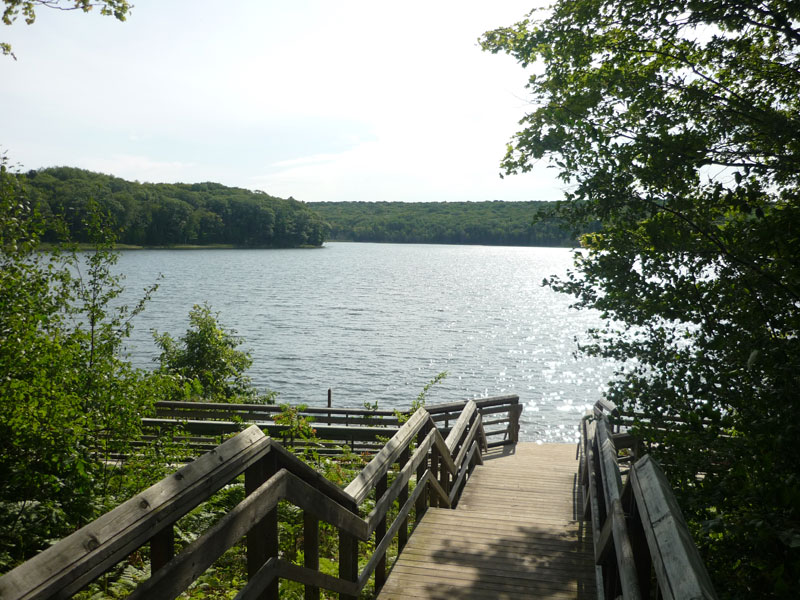
Family-Friendly Ontario Provincial Parks Worth Visiting
Discover some of the best family-friendly Ontario provincial parks for camping, swimming, hiking, paddling, wildlife watching, and outdoor adventures. From Sandbanks and Pinery to Algonquin, Awenda, Killbear, and more, these parks offer plenty of ways for families to enjoy time together outside.
-
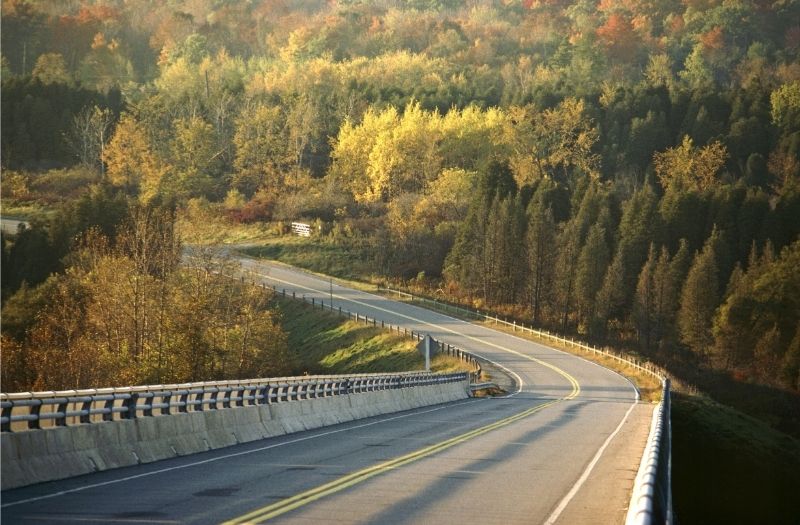
Scenic Drives Near Ontario Provincial Parks
Discover some of the best scenic drives near Ontario provincial parks, from Highway 60 through Algonquin to the rugged Lake Superior shoreline. Explore beautiful routes near Killarney, Bon Echo, Pinery, the Bruce Peninsula, and Northwestern Ontario, with ideas for viewpoints, small towns, hikes, beaches, and stops along the way.
-

Why Bon Echo Provincial Park Is One of Ontario’s Most Unique Parks
Discover what makes Bon Echo Provincial Park one of Ontario’s most unique camping destinations. From towering Mazinaw Rock and Indigenous pictographs to paddling, hiking, beaches, and backcountry camping, Bon Echo offers an unforgettable combination of scenery, history, culture, and outdoor adventure.
-
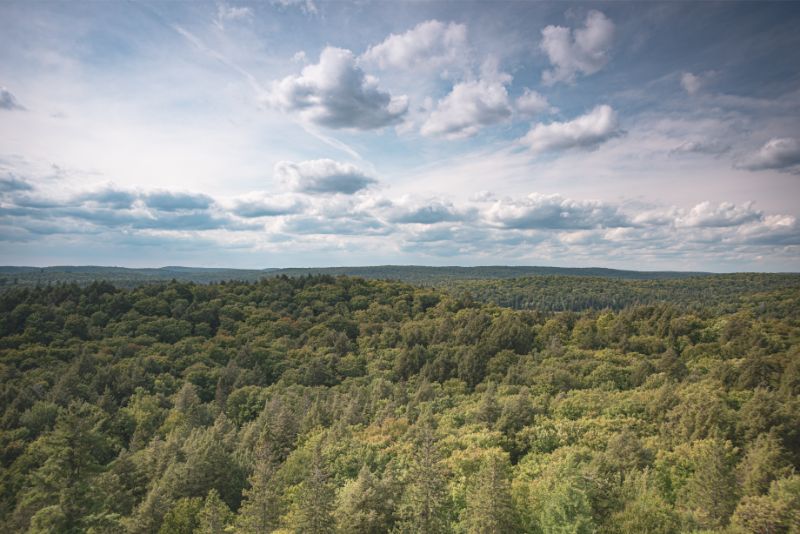
Why the Track and Tower Trail Is One of Ontario’s Best Hikes
Algonquin Provincial Park is home to some of the most scenic hiking trails in Ontario, but few are as popular as the Track and Tower Trail. Combining panoramic lake views, peaceful forests, fascinating railway history, and just the right amount of challenge, this trail offers an experience that appeals to both casual hikers and outdoor…
-

Quiet Campgrounds in Ontario Provincial Parks for a Relaxing Getaway
Looking to escape the crowds? Discover quiet campgrounds in Ontario Provincial Parks where you can relax, paddle peaceful lakes, hike scenic trails, and reconnect with nature on your next camping getaway.