Grassy River–Mond Lake Lowlands and Ferris Lake Uplands Provincial Park is a large, non-operating provincial park located near Matachewan in northeastern Ontario. The park was established to protect a broad range of boreal ecosystems rather than to support developed recreation, and it remains largely undeveloped with no visitor facilities or maintained access.
The park encompasses two distinct landscape types. The Grassy River and Mond Lake lowlands consist of wetlands, peatlands, and slow-moving waterways that support plant and wildlife species adapted to wet environments. In contrast, the Ferris Lake uplands include higher ground with forested ridges, exposed bedrock, and inland lakes typical of the Canadian Shield. Together, these areas represent a cross-section of boreal lowland and upland environments found in this part of Ontario.
There are no marked trails, campgrounds, or services within the park. Use is generally limited to low-impact activities such as wildlife observation, fishing, and self-guided backcountry travel by experienced visitors. The park’s primary role is conservation, protecting large, interconnected habitats and maintaining natural processes with minimal human disturbance. It is best suited to those with an interest in undeveloped landscapes and Ontario’s boreal ecology rather than traditional park amenities or recreational infrastructure.
General Information
Location
Grassy River-Mond Lake Lowlands and Ferris Lake Uplands Provincial Park is strategically located near Matachewan, Ontario, providing easy access for both local residents and travelers seeking an authentic wilderness experience.
Latitude: 49.758122 Longitude: -92.653490
Facilities & Recreation
Grassy River–Mond Lake Lowlands and Ferris Lake Uplands Provincial Park protects a vast and remote landscape of wetlands, lowland forests, rivers, and upland terrain in northeastern Ontario. As a nature reserve class park, its primary purpose is the protection of sensitive ecosystems. There are no developed facilities of any kind, and visitors must be fully self-sufficient when travelling through the area.
Water-based travel is a key way to experience the park, with boating permitted on its rivers and lakes under non-motorized conditions. The absence of motorized watercraft helps preserve aquatic habitats and reinforces the park’s quiet wilderness character. Access to the water is informal, with no docks or designated launch areas, requiring visitors to plan carefully for natural entry points.
The Grassy River is a recognized canoe route and serves as the main corridor through the park. Paddlers travel through a combination of wetlands, river channels, and upland forest sections, creating a long and immersive backcountry experience. Due to the route’s isolation, changing water conditions, and lack of services, it is best suited to paddlers with intermediate to advanced navigation and wilderness skills.
Fishing is permitted within the park’s lakes and river systems, where native species such as walleye, northern pike, yellow perch, and white sucker are present. Anglers must hold a valid Ontario fishing licence and comply with all provincial fishing regulations. As there are no developed fishing areas, angling typically takes place from natural shorelines or by canoe.
There are no maintained or authorized hiking trails within the park. Travel on foot is limited to informal backcountry exploration and requires strong navigation skills and experience in remote terrain. Visitors seeking marked or maintained trails are encouraged to look beyond the park’s boundaries.
Hunting is not permitted within the park due to its nature reserve designation. However, First Nations may continue to exercise Aboriginal and treaty rights within the park in accordance with those rights. In winter, the park may be explored by experienced backcountry users through activities such as snowshoeing or cross-country skiing, provided they are prepared for unmarked routes, deep snow, and isolated winter conditions.
Nearby Attractions
Old Women’s Rapids and High Falls: These natural features along the Montreal River provide scenic spots for canoeing and exploration, with Old Women’s Rapids named for a rock formation resembling an elderly woman’s profile.
Historical Montreal River Bridge and Marker: This site offers a glimpse into the region’s history, marking significant events and developments along the Montreal River.
Jacob’s Cave and Aboriginal Paintings: Explore this cave to view ancient Aboriginal paintings, providing insight into the area’s rich cultural heritage.
Fort Matachewan: Established by the Hudson’s Bay Company in 1867, this former trading post offers a historical perspective on the fur trade era, with ongoing restoration efforts by the Matachewan First Nation.
Horseshoe Island Camp: Situated on Mistinikon Lake, this boat-in facility features 12 waterfront housekeeping cottages, offering excellent fishing opportunities for walleye, northern pike, and smallmouth bass.
Nearby Parks
Park Blog
-

Radio-Free Campgrounds in Ontario Provincial Parks
Looking for a quieter camping experience? Discover radio-free campgrounds in Ontario Provincial Parks, including options at Awenda, Bon Echo, Algonquin, Grundy Lake, MacGregor Point, Balsam Lake and more. Learn what radio-free camping means, how it differs from generator-free camping, and how to choose the right campsite for your next Ontario adventure.
-
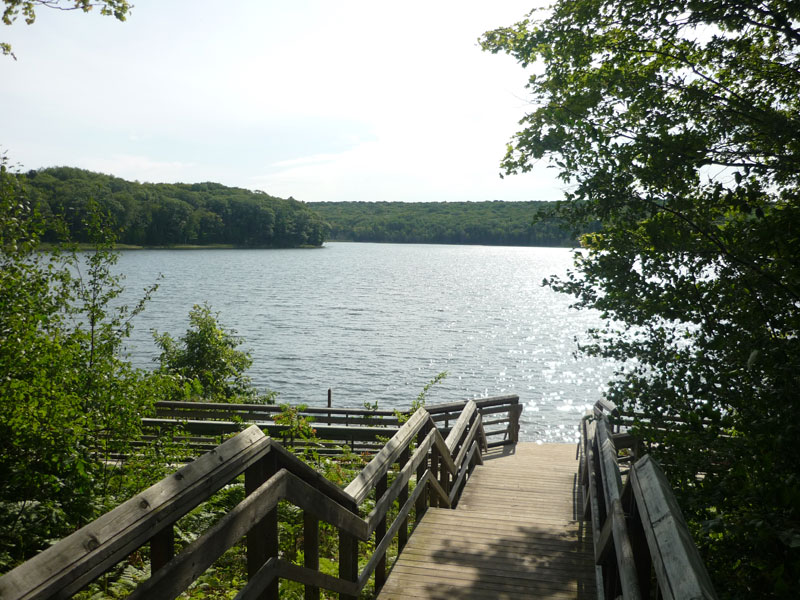
Family-Friendly Ontario Provincial Parks Worth Visiting
Discover some of the best family-friendly Ontario provincial parks for camping, swimming, hiking, paddling, wildlife watching, and outdoor adventures. From Sandbanks and Pinery to Algonquin, Awenda, Killbear, and more, these parks offer plenty of ways for families to enjoy time together outside.
-
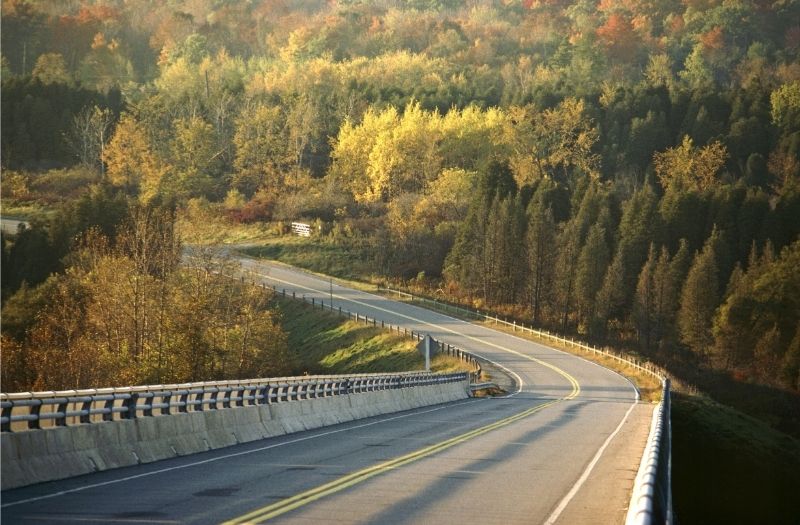
Scenic Drives Near Ontario Provincial Parks
Discover some of the best scenic drives near Ontario provincial parks, from Highway 60 through Algonquin to the rugged Lake Superior shoreline. Explore beautiful routes near Killarney, Bon Echo, Pinery, the Bruce Peninsula, and Northwestern Ontario, with ideas for viewpoints, small towns, hikes, beaches, and stops along the way.
-

Why Bon Echo Provincial Park Is One of Ontario’s Most Unique Parks
Discover what makes Bon Echo Provincial Park one of Ontario’s most unique camping destinations. From towering Mazinaw Rock and Indigenous pictographs to paddling, hiking, beaches, and backcountry camping, Bon Echo offers an unforgettable combination of scenery, history, culture, and outdoor adventure.
-
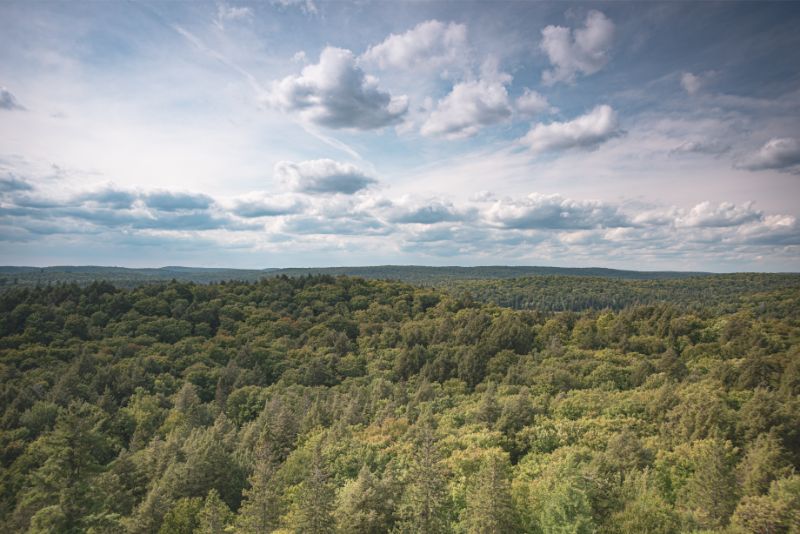
Why the Track and Tower Trail Is One of Ontario’s Best Hikes
Algonquin Provincial Park is home to some of the most scenic hiking trails in Ontario, but few are as popular as the Track and Tower Trail. Combining panoramic lake views, peaceful forests, fascinating railway history, and just the right amount of challenge, this trail offers an experience that appeals to both casual hikers and outdoor…
-

Quiet Campgrounds in Ontario Provincial Parks for a Relaxing Getaway
Looking to escape the crowds? Discover quiet campgrounds in Ontario Provincial Parks where you can relax, paddle peaceful lakes, hike scenic trails, and reconnect with nature on your next camping getaway.