Castle Creek Provincial Park is a non-operating park located near Kakabeka Falls in northwestern Ontario. The park is managed for conservation and low-impact use rather than for developed recreation and does not include visitor services or maintained facilities. Access is informal, and visitation is generally low.
The park protects a boreal landscape shaped by Castle Creek and surrounding wetlands, forest, and exposed bedrock. The creek and associated low-lying areas influence drainage patterns and wildlife habitat, creating a setting typical of the Thunder Bay region’s interior forest environment. Seasonal conditions affect water levels and ground stability, which can influence how the area is explored.
There are no maintained trails, campgrounds, or designated day-use areas within Castle Creek Provincial Park. Travel through the park is unstructured and requires visitors to be comfortable navigating uneven terrain and undeveloped conditions. Canoe travel and shoreline access may be possible in certain areas, depending on water levels and entry points, but route planning and self-sufficiency are essential.
Wildlife associated with boreal forest, wetland, and creek environments may be present, reflecting limited human disturbance. Because the park remains undeveloped, natural processes continue largely uninterrupted. Castle Creek Provincial Park is best suited to visitors interested in conservation areas, quiet exploration, and natural landscapes rather than structured recreation or amenities.
General Information
Location
Latitude: 48.19709233 Longitude: -90.06211988
Facilities & Recreation
Castle Creek Provincial Park is a wilderness park managed for low-impact, day-use recreation. There are no developed facilities, visitor services, or maintained access points, so visitors should be fully self-sufficient and plan ahead. The park is best suited to quiet exploration and nature-based activities rather than structured recreation.
Day use is permitted throughout the park, with hiking and wildlife observation being the most common activities. While there are no formal hiking trails, visitors may explore the park’s natural terrain on foot. Routes are unmarked and conditions can be rugged, so experience with backcountry travel is important. Carrying a map, compass, or GPS device is strongly recommended.
Fishing is allowed within the park, offering opportunities for anglers who prefer a remote, undeveloped setting. A valid Ontario fishing licence is required, and all provincial regulations must be followed.
Pets are permitted but must be kept on a leash at all times to protect wildlife and sensitive habitats. Owners are responsible for cleaning up after their pets and ensuring they remain under control.
In winter, Castle Creek Provincial Park remains accessible to experienced users. Activities such as snowshoeing and cross-country skiing are possible, although there are no groomed trails or winter facilities. Visitors should be prepared for backcountry conditions, changing weather, and limited access.
Castle Creek Provincial Park offers a simple, undeveloped outdoor experience focused on self-guided hiking, fishing, and seasonal recreation for those seeking solitude and minimal human impact.
Nearby Attractions
Kakabeka Falls: Often referred to as the “Niagara of the North,” this majestic 40-meter-high waterfall is the second-highest in Ontario, offering breathtaking views and a network of accessible boardwalks and viewing platforms.
Lauber Arboretum: Located in Kakabeka Falls, this privately developed arboretum features a diverse collection of indigenous and non-indigenous plant species, providing a serene environment for nature enthusiasts.
Cedar Falls Conservation Area: A hidden gem near Kakabeka Falls, this area offers scenic hiking trails leading to the beautiful Cedar Falls, perfect for those seeking tranquility and natural beauty.
Nearby Parks
Park Blog
-

Radio-Free Campgrounds in Ontario Provincial Parks
Looking for a quieter camping experience? Discover radio-free campgrounds in Ontario Provincial Parks, including options at Awenda, Bon Echo, Algonquin, Grundy Lake, MacGregor Point, Balsam Lake and more. Learn what radio-free camping means, how it differs from generator-free camping, and how to choose the right campsite for your next Ontario adventure.
-
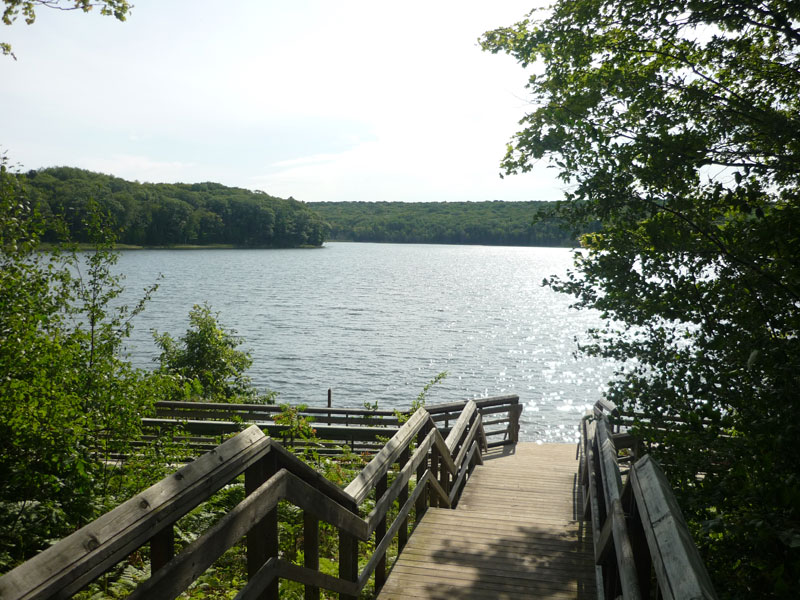
Family-Friendly Ontario Provincial Parks Worth Visiting
Discover some of the best family-friendly Ontario provincial parks for camping, swimming, hiking, paddling, wildlife watching, and outdoor adventures. From Sandbanks and Pinery to Algonquin, Awenda, Killbear, and more, these parks offer plenty of ways for families to enjoy time together outside.
-
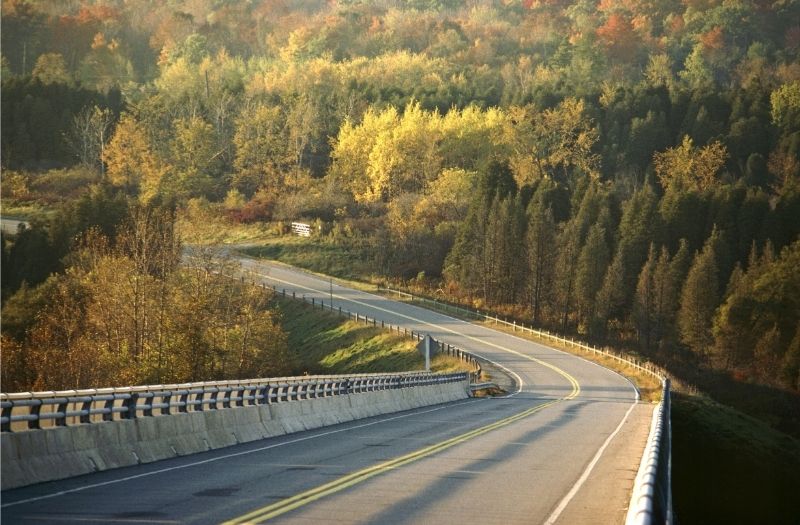
Scenic Drives Near Ontario Provincial Parks
Discover some of the best scenic drives near Ontario provincial parks, from Highway 60 through Algonquin to the rugged Lake Superior shoreline. Explore beautiful routes near Killarney, Bon Echo, Pinery, the Bruce Peninsula, and Northwestern Ontario, with ideas for viewpoints, small towns, hikes, beaches, and stops along the way.
-

Why Bon Echo Provincial Park Is One of Ontario’s Most Unique Parks
Discover what makes Bon Echo Provincial Park one of Ontario’s most unique camping destinations. From towering Mazinaw Rock and Indigenous pictographs to paddling, hiking, beaches, and backcountry camping, Bon Echo offers an unforgettable combination of scenery, history, culture, and outdoor adventure.
-
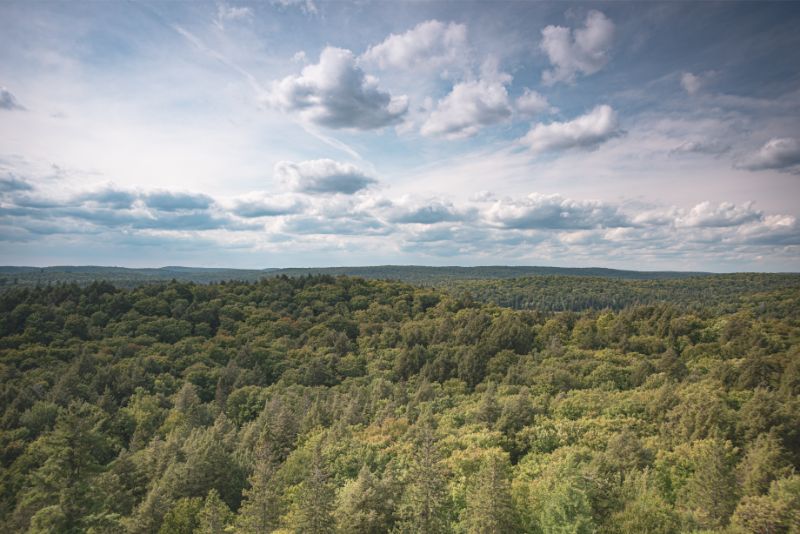
Why the Track and Tower Trail Is One of Ontario’s Best Hikes
Algonquin Provincial Park is home to some of the most scenic hiking trails in Ontario, but few are as popular as the Track and Tower Trail. Combining panoramic lake views, peaceful forests, fascinating railway history, and just the right amount of challenge, this trail offers an experience that appeals to both casual hikers and outdoor…
-

Quiet Campgrounds in Ontario Provincial Parks for a Relaxing Getaway
Looking to escape the crowds? Discover quiet campgrounds in Ontario Provincial Parks where you can relax, paddle peaceful lakes, hike scenic trails, and reconnect with nature on your next camping getaway.