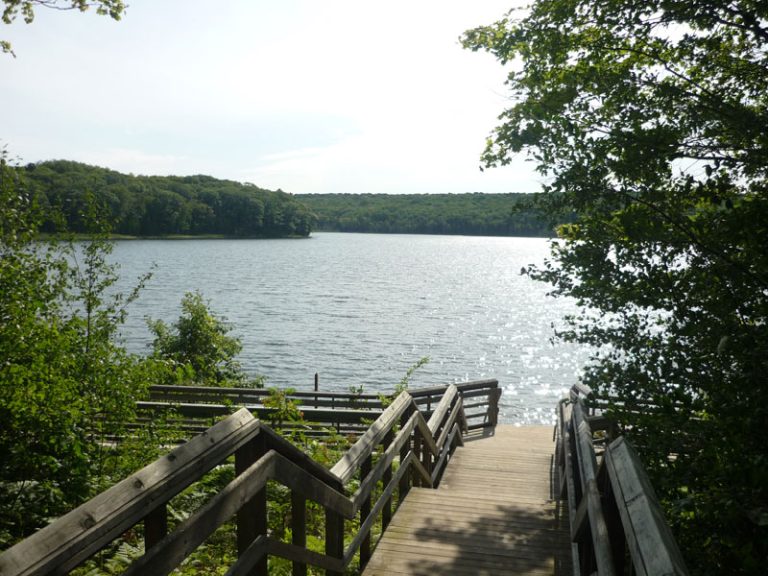
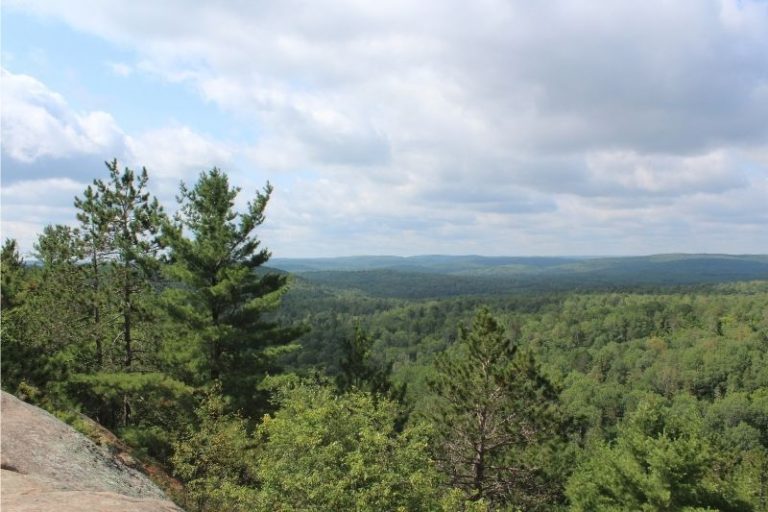
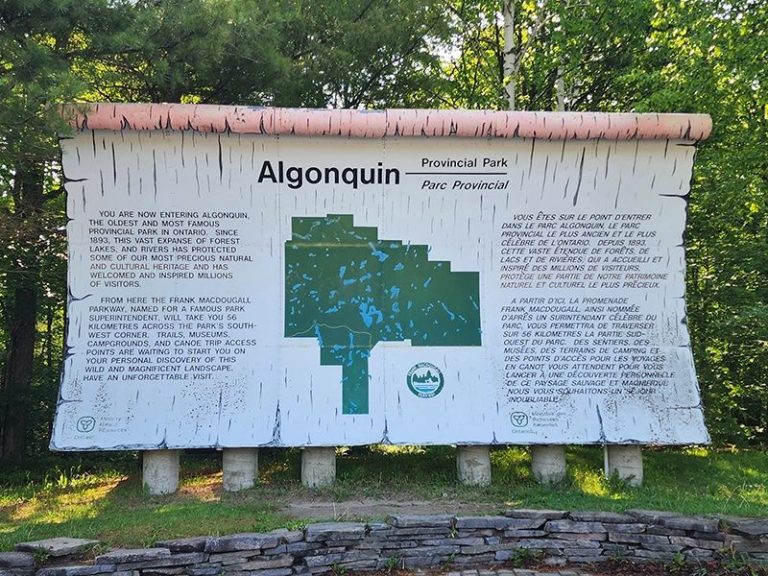
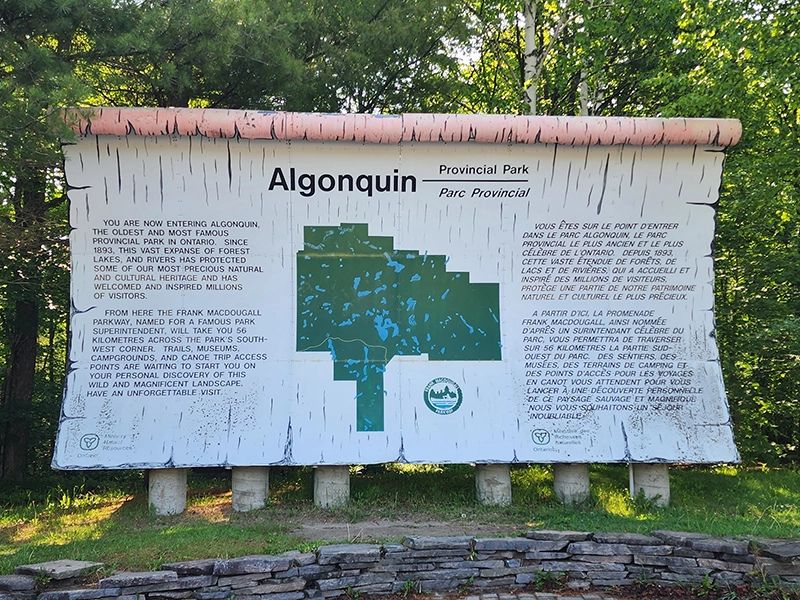
Algonquin Provincial Park is a large and diverse park located in central Ontario, with access points near communities such as Dwight, Whitney, and Huntsville. Established in the late 19th century, it is Ontario’s oldest provincial park and remains one of the most intensively managed and studied protected areas in the province. The park covers a vast landscape of forests, lakes, wetlands, and rivers that support both conservation goals and a wide range of recreational uses.
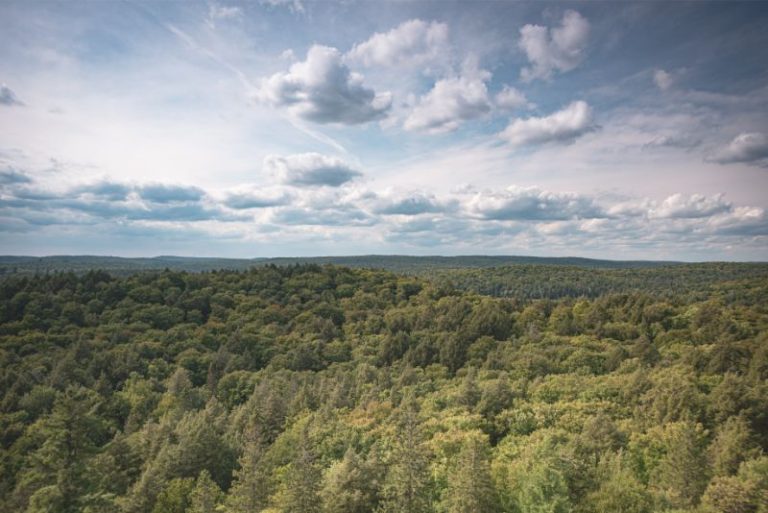
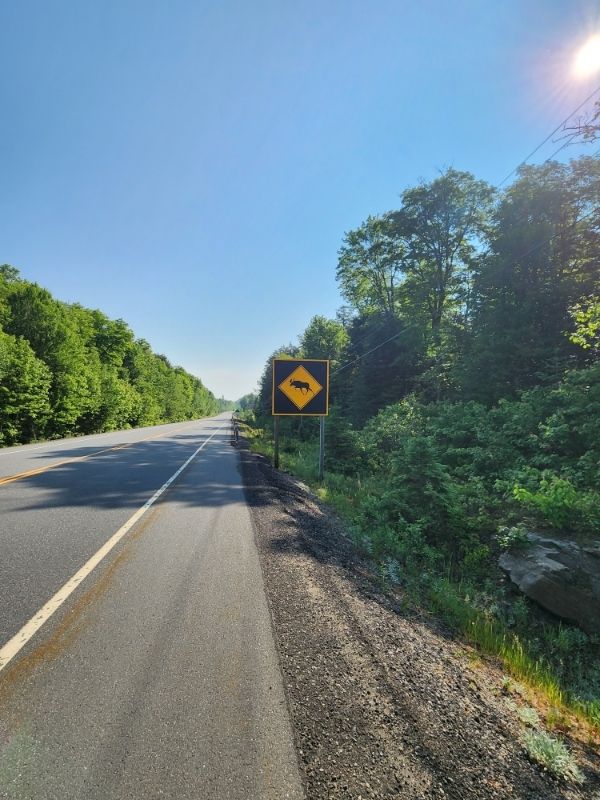
The park’s terrain reflects a transition zone between deciduous and boreal forest regions, resulting in a mix of hardwood stands, coniferous forest, rolling hills, and extensive wetland systems. More than two thousand lakes and numerous interconnected waterways shape how visitors move through the park, whether by road, trail, or canoe route. These ecosystems support wildlife commonly associated with large forested areas, including moose, black bears, beavers, wolves, and a wide variety of bird species.
Algonquin Provincial Park offers developed infrastructure that supports both day use and overnight stays. Visitors can access maintained hiking trails, interpretive walks, canoe routes, campgrounds, and interior backcountry sites. Front-country campgrounds provide serviced and unserviced options, while the interior of the park is managed for multi-day canoeing and hiking trips that require advance planning and navigation skills.
In addition to recreation, Algonquin plays an important role in education, research, and resource management. Visitor centres, museums, and seasonal programs help explain the park’s natural and cultural history, while ongoing research contributes to forest management and wildlife studies across Ontario. Algonquin Provincial Park accommodates a wide range of visitors, from first-time park users to experienced backcountry travellers, making it both a working landscape and a long-established protected area.
General Information
Year Established: 1893
Park Size: 772300.00 ha
Park Type: Operating Park
Park Classification: Natural Environment
Opening and Closing Date: Various dates throughout the year
Phone: 705-633-5572
Location
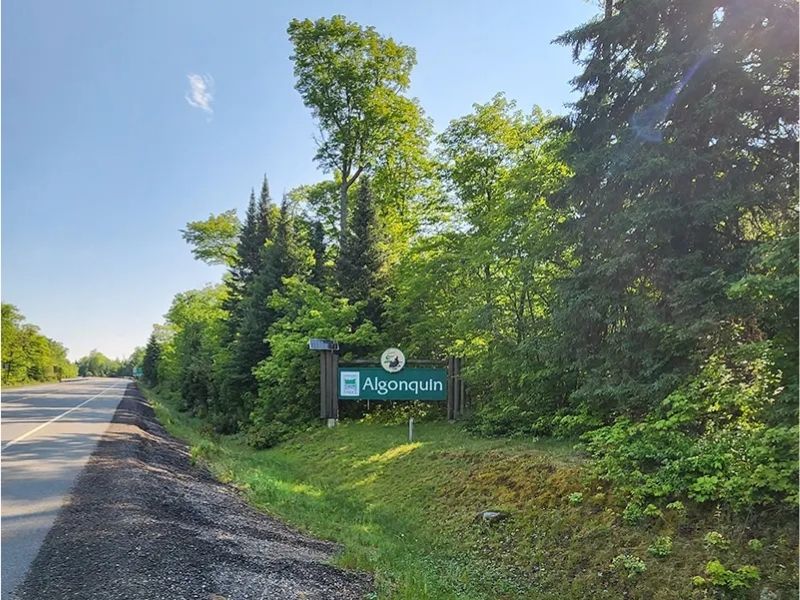
Algonquin Provincial Park is located in central Ontario, approximately 3 hours north of Toronto and 3.5 hours west of Ottawa. The most accessible area of the park is the Highway 60 corridor, which runs through the southern section of the park.
Latitude: 45.536921 Longitude: -78.265419
Photo Gallery

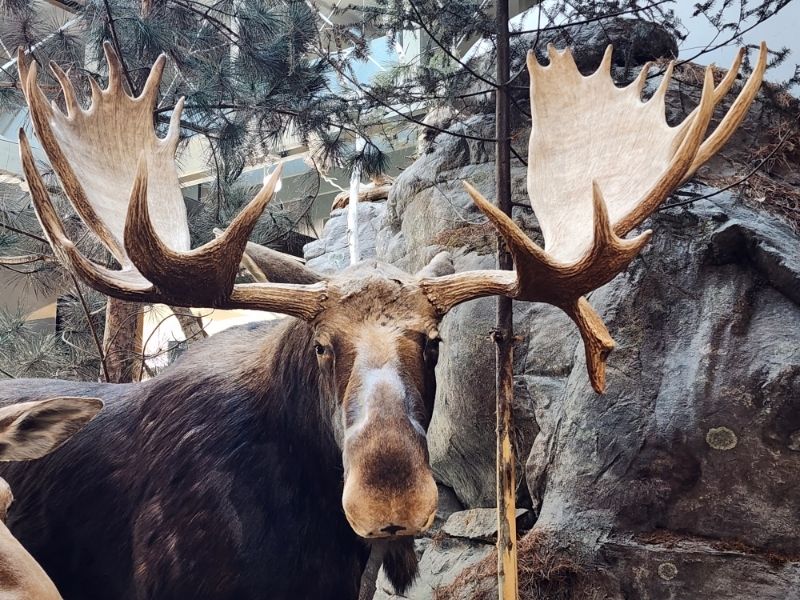
Camping
Camping is one of the most popular activities in Algonquin. With over 1,200 campsites spread across various campgrounds, the park offers camping experiences for everyone, from seasoned adventurers to first-time campers. You can choose from drive-in sites, backcountry camping, or group camping depending on your preferences.
Drive-In Camping
For those looking for a more accessible camping experience, drive-in sites are available along the Highway 60 corridor. These campsites offer picnic tables, fire pits, and nearby access to restrooms, showers, and laundry facilities. Popular campgrounds like Pog Lake, Lake of Two Rivers, and Rock Lake provide easy access to park amenities and recreational activities. These sites are perfect for families or individuals looking for a comfortable stay in the wilderness.
Backcountry Camping
If you’re seeking solitude and a more rugged camping experience, backcountry camping is available throughout the park’s interior. With over 2,000 kilometers of canoe routes and numerous backcountry sites, visitors can paddle across serene lakes and portage through dense forests to find their perfect campsite. The park offers everything from single-night trips to multi-day adventures for those wanting to experience nature at its most raw and untamed. Backcountry camping requires visitors to be self-sufficient, as the sites are more remote and less developed.
Group Camping
For large groups, there are designated group camping areas within Algonquin. These sites are ideal for organized groups like scouts, school trips, or family reunions, offering plenty of space for multiple tents and activities. Group campsites can be reserved in advance, ensuring that your whole party can camp together in one location.
The Highway 60 Corridor
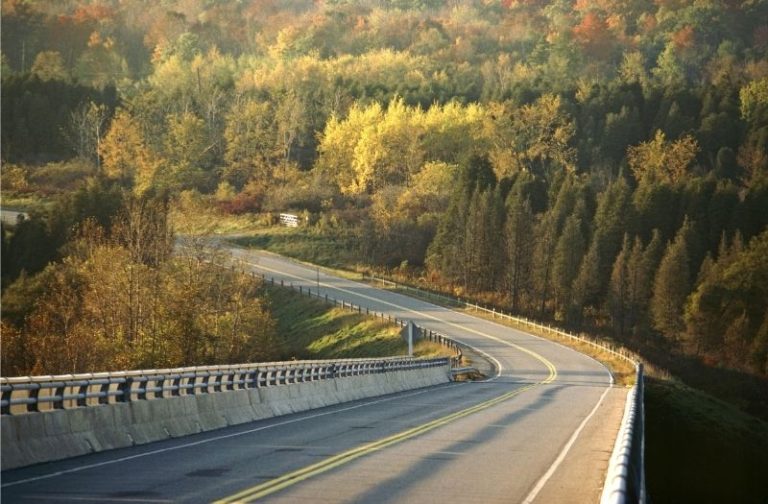
The Highway 60 corridor is a central feature of Algonquin Provincial Park and is the most visited area. This 56-kilometer stretch of road runs through the southern portion of the park, connecting various campgrounds, trailheads, and park facilities. The corridor is ideal for day-trippers or campers who prefer easy access to amenities while still experiencing the beauty of Algonquin.
Along Highway 60, you’ll find plenty of opportunities for exploration. From scenic lookout points to interpretive walking trails, this area of the park offers stunning views of Algonquin’s lakes, forests, and wildlife. Some of the most accessible hiking trails, such as the Booth’s Rock Trail and the Lookout Trail, start from the Highway 60 area.
Visitor Centre
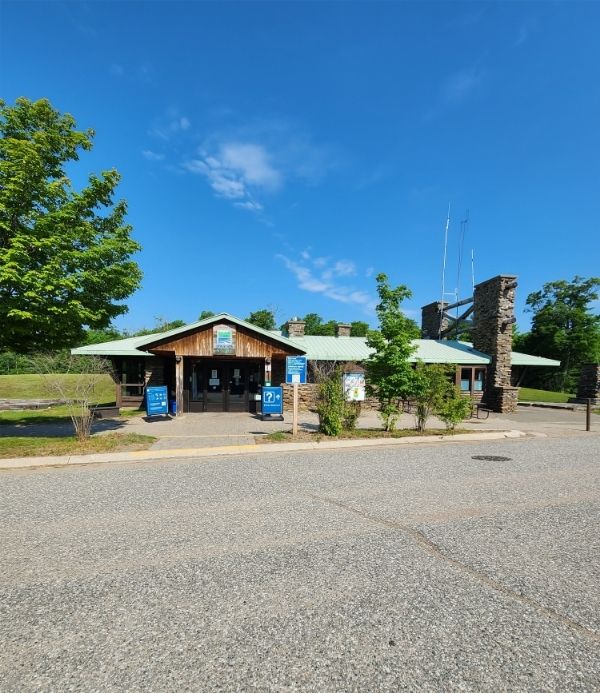
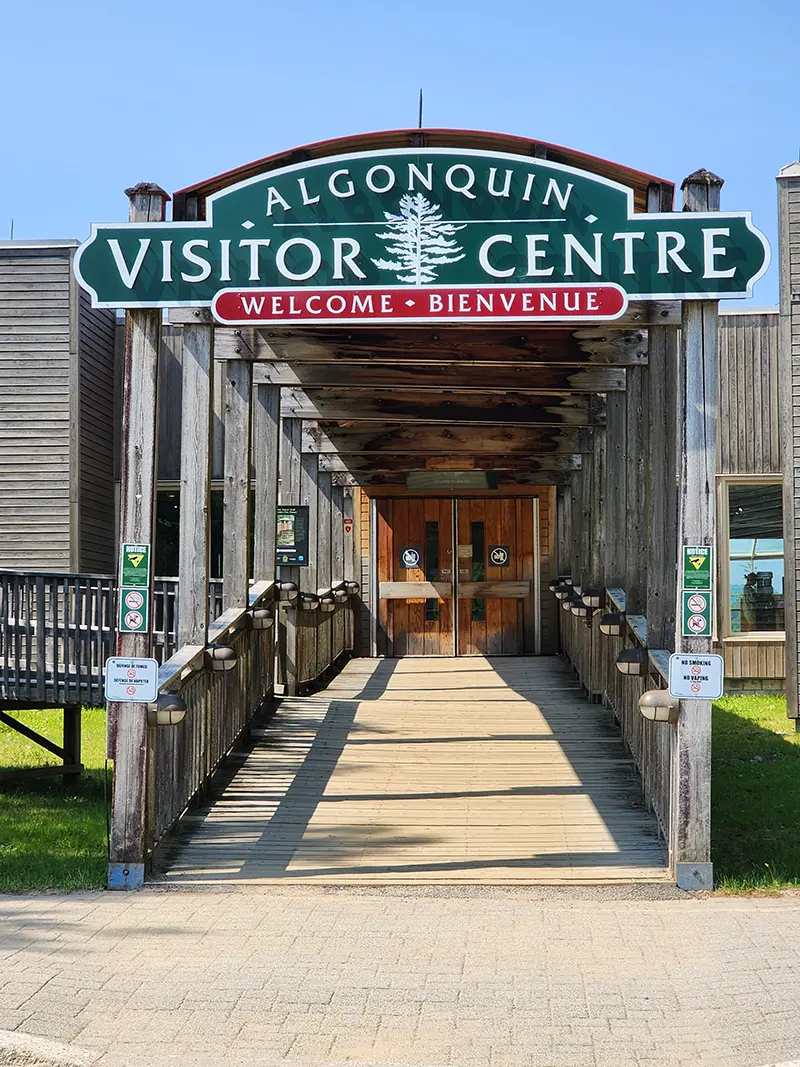
A must-visit for anyone traveling through Algonquin is the Algonquin Visitor Centre. Opened in 1993, the Visitor Centre serves as an educational hub where visitors can learn about the park’s natural and cultural history. The center features an impressive exhibit hall with displays on Algonquin’s geology, ecosystems, and wildlife. It also houses a bookstore, a viewing deck with panoramic views of the park, and a theater that shows educational films about Algonquin’s history and conservation efforts.
One of the highlights of the Visitor Centre is its observation deck, where you can enjoy breathtaking views of the park’s vast wilderness. This is also a great spot for wildlife viewing, as moose, deer, and other animals are often seen in the area.
Logging Museum
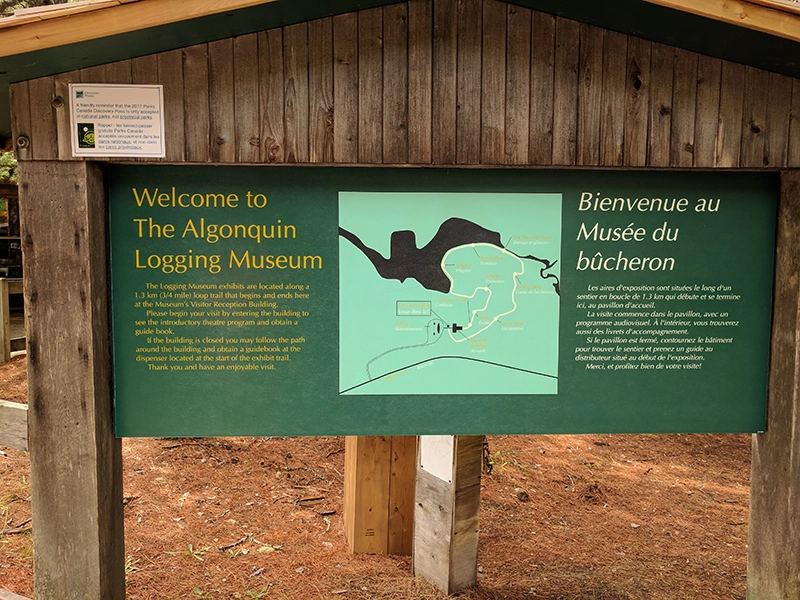
Algonquin’s history is deeply connected to the logging industry, and the Algonquin Logging Museum showcases this important aspect of the park’s past. The museum, located along Highway 60, offers visitors a glimpse into the life of early loggers who worked in the park. The museum features indoor exhibits as well as an outdoor trail that takes you through reconstructed logging camps and historic equipment.
The self-guided Logging Museum Trail is an easy 1.3-kilometer walk that follows the path of the loggers, showing how the industry shaped the landscape and culture of Algonquin. The trail includes audio stations where you can listen to stories of early loggers and their experiences in the harsh wilderness.
Facilities & Recreation
Algonquin Provincial Park is one of Canada’s most well-known and diverse provincial parks, offering an exceptional mix of accessible facilities, family-friendly campgrounds, and vast backcountry wilderness. The park operates with controlled access points to help protect its natural landscapes while providing a safe and well-organized experience for both day visitors and overnight campers. Barrier-free facilities, including flush toilets and showers, are available at several campgrounds, along with accessible washrooms at key locations such as the Visitor Centre, East and West Gates, and the Algonquin Logging Museum.
Camping options across the park are extensive and varied. Drive-in campgrounds like Lake of Two Rivers, Pog Lake, Mew Lake, Canisbay Lake, and Rock Lake offer tent and trailer sites, comfort stations with hot showers, laundry facilities, potable water taps, and RV dumping stations at select locations. Group camping is available at Whitefish Lake, which accommodates larger organized groups. For visitors looking for a roofed option, camp cabins provide a comfortable alternative with year-round availability, accessible features, and nearby access to campground washrooms and showers.
Water-based recreation is a defining feature of Algonquin. The park has numerous access points and boat launches on major lakes such as Canoe Lake, Opeongo Lake, Smoke Lake, Rock Lake, and Cache Lake. Canoe and kayak rentals are available within the park, and Algonquin’s interior is renowned for its extensive paddling network, with thousands of kilometres of canoe routes connecting lakes, rivers, and portages. Boating is permitted on select lakes, with horsepower restrictions in place to maintain safety and preserve the park’s natural character.
Day-use visitors will find plenty to explore without camping overnight. Picnic areas with beaches, swimming areas, tables, and washrooms are located throughout the park, including popular spots at Lake of Two Rivers, East Beach, Tea Lake Dam, and Costello Creek. Sandy beaches with clear, shallow water provide refreshing swimming opportunities during the summer months, while playgrounds and open spaces at larger campgrounds make the park especially appealing to families.
Algonquin is also a premier destination for hiking and wildlife viewing. The park features a wide range of interpretive walking trails, from short boardwalks through wetlands to longer ridge-top hikes with sweeping views. Well-known trails such as Centennial Ridges, Mizzy Lake, Booth’s Rock, Beaver Pond, and the Barron Canyon Trail showcase the park’s forests, lakes, and geological features. Fishing is popular across the park’s many lakes and streams, which support a wide variety of species, including brook trout and lake trout. Hunting is permitted in designated zones during approved seasons, in accordance with provincial regulations.
Additional amenities enhance the visitor experience throughout the park. Multiple park stores sell maps, firewood, ice, souvenirs, and basic camping supplies, while interpretive exhibits at the Visitor Centre, Logging Museum, and Art Centre offer insight into the park’s natural and cultural history. Pets are welcome in designated areas when kept on a leash, with specific pet exercise zones available at select campgrounds.
Algonquin Provincial Park remains open year-round and transforms into a popular winter destination. Visitors can enjoy cross-country skiing on groomed trail systems, snowshoeing on many summer trails, winter camping at Mew Lake, and ice fishing in approved areas. Whether visiting for a day, a weekend, or a multi-week backcountry trip, Algonquin offers a depth and variety of recreation that makes it a cornerstone of Ontario’s provincial park system.
Nearby Parks
Arrowhead Provincial Park
Dividing Lake Provincial Park
J. Albert Bauer Provincial Park
Oxtongue River – Ragged Falls Provincial Park
Nearby Attractions
Oxtongue River-Ragged Falls: Just a short drive from Dwight, this natural attraction offers visitors a chance to witness the powerful beauty of Ragged Falls, accessible via a brief hiking trail.
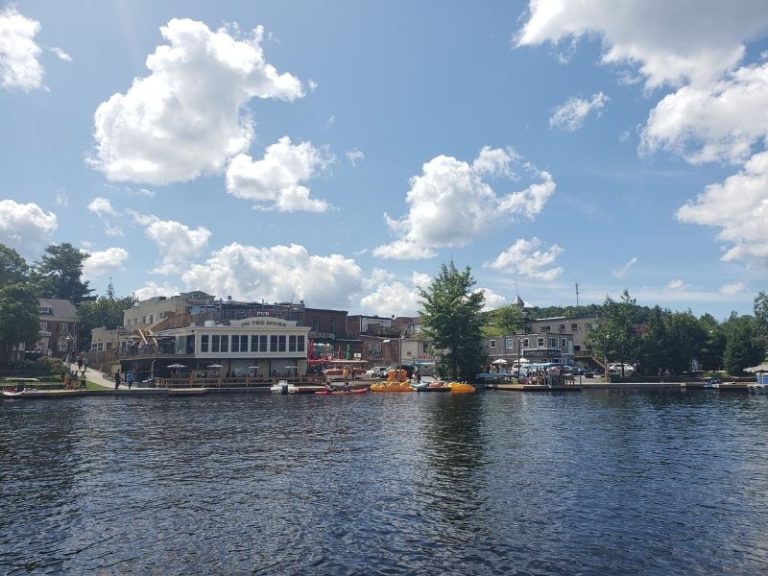
Dwight Beach: Located on the shores of Lake of Bays, Dwight Beach provides a serene setting with sandy shores, clear waters, and picturesque views, making it ideal for relaxation and family outings.
The Moose Café & Grill: A local favorite, this café offers hearty home-style breakfasts and lunches, complemented by a cozy atmosphere and a gift shop featuring local art and souvenirs.
The Old Palmer House: This historic establishment in Dwight showcases local art, crafts, and antiques, providing visitors with a unique shopping experience that reflects the area’s rich cultural heritage.
Helpful Links
Park Blog
-
Family-Friendly Ontario Provincial Parks Worth Visiting
Discover some of the best family-friendly Ontario provincial parks for camping, swimming, hiking, paddling, wildlife watching, and outdoor adventures. From Sandbanks and Pinery to Algonquin, Awenda, Killbear, and more, these parks offer plenty of ways for families to enjoy time together outside.
-
Scenic Drives Near Ontario Provincial Parks
Discover some of the best scenic drives near Ontario provincial parks, from Highway 60 through Algonquin to the rugged Lake Superior shoreline. Explore beautiful routes near Killarney, Bon Echo, Pinery, the Bruce Peninsula, and Northwestern Ontario, with ideas for viewpoints, small towns, hikes, beaches, and stops along the way.
-
Why the Track and Tower Trail Is One of Ontario’s Best Hikes
Algonquin Provincial Park is home to some of the most scenic hiking trails in Ontario, but few are as popular as the Track and Tower Trail. Combining panoramic lake views, peaceful forests, fascinating railway history, and just the right amount of challenge, this trail offers an experience that appeals to both casual hikers and outdoor […]
-
Best Small Towns to Visit Near Ontario Provincial Parks
Discover the best small towns to visit near Ontario Provincial Parks. From Huntsville and Grand Bend to Killarney and Tobermory, these charming destinations offer great food, shopping, waterfronts, and local attractions that perfectly complement your camping adventure.
-
What It’s Like Camping at Algonquin Provincial Park in Peak Season
Experience what it’s really like camping at Algonquin Provincial Park during peak season. Discover what to expect, from busy campgrounds and scenic hikes to canoeing, wildlife viewing, and practical tips that will help you make the most of your summer camping adventure.
-
Things to Do Near Algonquin Provincial Park Besides Camping
Discover the best things to do near Algonquin Provincial Park besides camping. Explore scenic drives, waterfalls, charming towns, paddling adventures, local attractions, and great places to eat around one of Ontario’s most popular outdoor destinations.