Algoma Headwaters Provincial Park is a large, non-operating park located near Ranger Lake in Ontario’s Algoma region. The park was established to protect an important watershed area where several river systems originate, rather than to support developed recreation. Its landscape includes a network of lakes, rivers, wetlands, and boreal forest that play a key role in regional water flow and ecological health.
The terrain within the park reflects the rugged character of northern Ontario, with rolling hills, forested lowlands, and interconnected waterways shaping travel routes through the area. Portions of the park contain the headwaters of rivers such as the Mississagi and Goulais, making water-based travel a defining feature of the landscape. These waterways connect remote lakes and wetlands, creating long, continuous routes suited to experienced paddlers familiar with backcountry navigation.
There are no maintained trails, campgrounds, or visitor facilities within Algoma Headwaters Provincial Park. Travel and camping are informal and require full self-sufficiency, including route planning, navigation, and emergency preparedness. The absence of infrastructure reflects the park’s conservation-focused management and helps limit human impact on sensitive ecosystems.
Wildlife typical of the Algoma region is present throughout the park, including species associated with large forested landscapes and undisturbed waterways. Because visitation is low and development is minimal, natural processes continue largely uninterrupted. Algoma Headwaters Provincial Park is best suited to experienced wilderness travellers who value extended time in undeveloped environments rather than access to traditional park amenities.
General Information
Year Established: 2003
Park Size: 42736.00 ha
Park Classification: Natural Environment
Phone: 705-882-2209
Location
Algoma Headwaters Provincial Park is located in a remote area near Ranger Lake in northern Ontario. The park is not accessible by paved roads, so visitors must be prepared for a rugged journey to reach the park’s boundaries.
The roads leading to Algoma Headwaters can be challenging, especially after heavy rain or during the winter. A 4WD vehicle is recommended, and visitors should bring detailed maps or GPS devices to navigate the unmarked roads. Since the park is remote, cell service may be limited, so plan accordingly.
Latitude: 49.758122 Longitude: -92.653490
Camping
Camping in Algoma Headwaters Provincial Park is a rugged and remote experience. This is a backcountry park with no developed campgrounds, so visitors must be prepared for a self-sufficient camping adventure.
Backcountry Camping
The park offers backcountry camping, which means that visitors can set up camp in any suitable location throughout the park. There are no designated campsites, picnic tables, or fire pits, so campers need to practice “leave no trace” principles to preserve the park’s natural environment. Campers should bring portable stoves for cooking, as building campfires is not encouraged to protect the delicate ecosystems.
To enjoy backcountry camping at Algoma Headwaters, visitors should have experience with wilderness navigation, as there are no marked trails or developed roads. The park is ideal for those seeking solitude and an off-the-grid camping experience.
Facilities & Recreation
Algoma Headwaters Provincial Park is a remote wilderness park with very little development, offering a quiet setting for visitors seeking a true backcountry experience. There are no visitor centres, washrooms, picnic areas, or maintained facilities, so anyone planning a trip should arrive fully prepared with all necessary supplies and navigation tools. The park’s undeveloped nature is intentional and helps preserve its natural landscapes and sense of isolation.
Water travel plays an important role in exploring the park. Its network of lakes and rivers provides opportunities for boating, canoeing, and kayaking, allowing visitors to move through forested waterways at a relaxed pace. There are no formal access points, launches, or equipment rentals, so paddlers must bring their own gear and be comfortable traveling in remote, unmaintained environments.
Fishing is possible throughout the park’s waters, where species such as northern pike, walleye, and brook trout are commonly found. Anglers should ensure they hold a valid Ontario fishing licence and are familiar with current regulations before heading out. Hunting is also permitted within the park during designated seasons, in accordance with provincial rules. Visitors planning to hunt should carry the appropriate licences and follow all wildlife management guidelines.
Algoma Headwaters is best suited to experienced outdoor users who value solitude, quiet waterways, and minimal human impact. Careful planning and respect for the park’s wilderness character are essential to enjoying everything this remote area has to offer.
Algoma Headwaters Provincial Park is a wilderness park with very few developed facilities. This is part of the park’s appeal for those seeking a true backcountry experience. However, visitors should come fully prepared, as there are no modern conveniences such as restrooms, visitor centers, or picnic areas.
Nearby Parks
Nearby Attractions
Ranger Lake Resort: Enjoy a tranquil getaway at this lakeside resort, offering activities such as fishing, boating, swimming, and cozy accommodations amidst the serene wilderness.
Ranger’s Point Trail: Explore the scenic shores of Ranger Point on this well-maintained trail, providing hikers with shaded paths and picturesque views of the lake.
Park Blog
-

Ontario Provincial Parks With the Best Hiking Trails
Discover nine Ontario Provincial Parks with some of the best hiking trails in the province. From scenic Lake Superior lookouts and challenging mountain climbs to waterfalls and easy family-friendly walks, explore outstanding hiking destinations. Compare trail distances, difficulty levels, and attractions, and find practical tips to help plan your next Ontario hiking adventure.
-

Where to Eat Near Pinery Provincial Park
Looking for somewhere to eat while camping at Pinery Provincial Park? Discover restaurants, cafés, pizza, pub food and easy takeout options in nearby Grand Bend and Port Franks, plus convenient food choices inside the park. Find ideas for breakfast, lunch or dinner when you’re ready to give the camp stove a break.
-

Visiting Sleeping Giant Provincial Park: What You Need to Know
Discover Sleeping Giant Provincial Park near Thunder Bay, from camping at Marie Louise Lake and hiking the famous Top of the Giant to paddling, cycling, fishing, and shorter nature trails. Learn what to pack, where to camp, when to visit, and what you should know before exploring this spectacular Northern Ontario park.
-

Radio-Free Campgrounds in Ontario Provincial Parks
Looking for a quieter camping experience? Discover radio-free campgrounds in Ontario Provincial Parks, including options at Awenda, Bon Echo, Algonquin, Grundy Lake, MacGregor Point, Balsam Lake and more. Learn what radio-free camping means, how it differs from generator-free camping, and how to choose the right campsite for your next Ontario adventure.
-
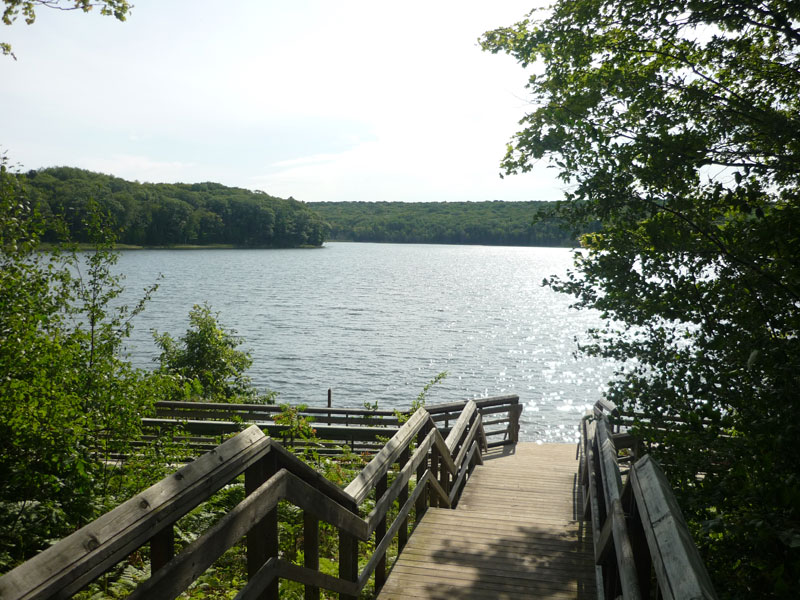
Family-Friendly Ontario Provincial Parks Worth Visiting
Discover some of the best family-friendly Ontario provincial parks for camping, swimming, hiking, paddling, wildlife watching, and outdoor adventures. From Sandbanks and Pinery to Algonquin, Awenda, Killbear, and more, these parks offer plenty of ways for families to enjoy time together outside.
-
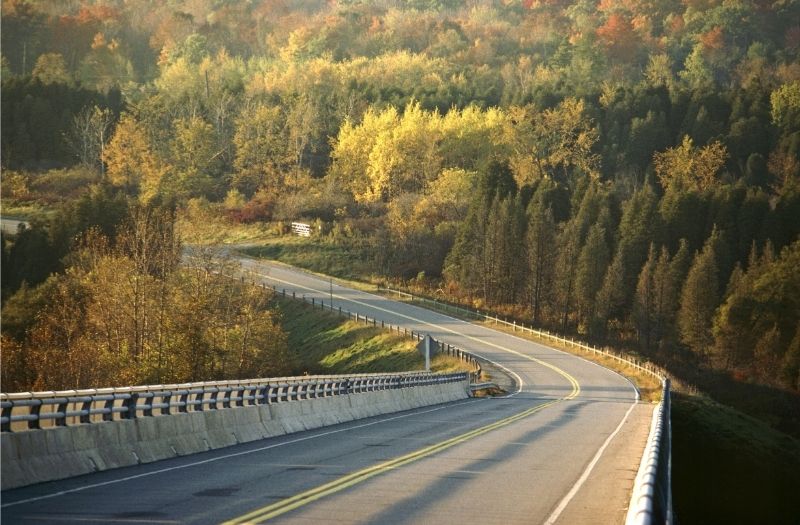
Scenic Drives Near Ontario Provincial Parks
Discover some of the best scenic drives near Ontario provincial parks, from Highway 60 through Algonquin to the rugged Lake Superior shoreline. Explore beautiful routes near Killarney, Bon Echo, Pinery, the Bruce Peninsula, and Northwestern Ontario, with ideas for viewpoints, small towns, hikes, beaches, and stops along the way.