Adam Creek Provincial Park is a remote, waterway-class park located north of Kapuskasing in Ontario’s northern boreal region. The park follows the course of Adam Creek and includes surrounding wetlands and forested lowlands, with the primary purpose of protecting natural waterways rather than supporting traditional park amenities. As a result, the area remains largely undeveloped and is managed for conservation and low-impact backcountry use.
There are no maintained trails, campgrounds, or visitor facilities within Adam Creek Provincial Park. Travel through the park is typically done by canoe or kayak, using Adam Creek as the main route through the landscape. Paddlers pass through narrow creek sections, marshy areas, and stretches of forested shoreline, making route planning and navigation an important part of any visit. This type of access makes the park best suited to experienced backcountry travellers who are comfortable in remote settings.
The wetlands and forests within the park support wildlife commonly found in northern Ontario, including moose, black bears, beavers, and a variety of bird species. Fishing opportunities exist along the creek and connected waters, where anglers may encounter species such as northern pike and walleye. Backcountry camping is permitted but entirely informal, with visitors selecting natural clearings or shoreline areas and practicing low-impact camping methods.
Because the park is far removed from towns and artificial lighting, evenings are typically quiet and dark, offering clear views of the night sky under favourable conditions. Adam Creek Provincial Park appeals to visitors seeking extended time on the water, minimal human presence, and a landscape shaped primarily by natural processes rather than recreation infrastructure. It is a destination for those prepared for self-supported travel and interested in experiencing a lesser-visited part of Ontario’s north.ds, offering visitors a truly rugged and undeveloped landscape to explore. Known for its secluded, serene environment, Adam Creek Provincial Park is ideal for experienced outdoor enthusiasts seeking solitude, wildlife, and untouched natural beauty.
General Information
Location
Access to Adam Creek Provincial Park is primarily through backcountry routes, making it a destination best suited for experienced adventurers. The park is located near Kapuskasing, Ontario, a small town that serves as a gateway to the region’s wilderness areas. Visitors can drive to Kapuskasing, where they can stock up on supplies before venturing into the park.
The best way to reach the park is by water, with many visitors choosing to canoe or kayak along Adam Creek to access the park’s interior. The park’s waterways provide natural routes for paddlers, and once inside the park, visitors can explore the area by canoe or on foot. Those planning extended trips should be well-prepared for the challenges of backcountry navigation and self-sufficient camping.
Latitude: 49.758122 Longitude: -92.653490
Camping
One of the main draws of Adam Creek Provincial Park is its remote and undeveloped nature, making it a haven for backcountry camping. Since the park is classified as non-operating, it does not feature any designated campgrounds or modern facilities like those found in more developed parks. Instead, visitors who are comfortable with backcountry camping can set up campsites along the shores of its lakes or in the secluded wilderness areas.
Backcountry Camping Experience
Backcountry camping in Adam Creek Provincial Park is a rugged and self-sufficient experience. Visitors must be well-prepared with all the necessary camping gear, including tents, sleeping bags, portable stoves, and sufficient food and water supplies. As there are no facilities or potable water sources, all water used for drinking or cooking must be treated by boiling, filtering, or using water purification tablets. Additionally, campers are required to follow Leave No Trace principles to protect the park’s natural environment. This includes packing out all garbage and minimizing the impact on the surroundings.
The lack of established campsites in Adam Creek Provincial Park provides campers with the freedom to choose their own camping spots, allowing them to set up camp in more secluded areas along the park’s creeks, rivers, or forested areas. However, the park’s remote nature means that visitors should have some experience in wilderness camping and navigation, as there are no marked trails or established routes.
Canoe-In Camping
For adventurers who enjoy paddling, canoe-in camping is a popular way to explore Adam Creek Provincial Park. The park’s waterways, including the creek itself, provide access to several serene and secluded spots that are perfect for setting up camp. Paddling through the park’s tranquil waters gives visitors the opportunity to experience the beauty of the boreal forest, observe wildlife, and enjoy the peacefulness of the northern wilderness.
Facilities & Recreation
As a non-operating provincial park, Adam Creek does not have any of the facilities or services typically found in other provincial parks. This means there are no visitor centers, washrooms, picnic areas, or developed campgrounds. Visitors must come fully prepared with all the supplies they will need for their visit, including food, water, and camping gear.Adam Creek Provincial Park is a non-operating, waterway-class park with no developed facilities or visitor services. There are no campgrounds, washrooms, picnic areas, or marked trails, and visitors should plan to be completely self-sufficient. Anyone heading into the park should bring all necessary supplies, including food, drinking water, navigation tools, and appropriate camping gear.
The park is best experienced by water, as Adam Creek and the surrounding waterways form the primary routes through the landscape. Boating, canoeing, and kayaking allow visitors to travel quietly through wetlands and forested shorelines, making paddling the most practical way to explore the area. Fishing may also be possible in the creek and nearby waters, although conditions and species can vary depending on location and season.
With no signage or maintained routes, Adam Creek is best suited to experienced backcountry users who are comfortable navigating remote environments. Cell service may be limited or unavailable, and all waste must be packed out to help preserve the park’s undeveloped character. Pets may be permitted, but they should be kept under control at all times, especially in sensitive wildlife areas.
The park’s appeal lies in its isolation and untouched setting. Visitors looking for solitude, quiet waterways, and a true wilderness experience will find Adam Creek a peaceful escape from more developed parks. In winter, skilled backcountry users may access the area for activities such as snowshoeing or winter camping, keeping in mind that no maintenance or emergency services are provided.As a non-operating provincial park, Adam Creek does not have any of the facilities or services typically found in other provincial parks. This means there are no visitor centers, washrooms, picnic areas, or developed campgrounds. Visitors must come fully prepared with all the supplies they will need for their visit, including food, water, and camping gear.
Nearby Parks
Nearby Attractions
Ron Morel Memorial Museum: Housed in a historic train station, this museum showcases local history and railway artifacts, providing insight into the region’s past.
Kapuskasing Golf Club: A scenic 9-hole golf course suitable for golfers of all skill levels, offering a relaxing outdoor experience.
Riverside Park: A family-friendly park featuring walking trails, picnic areas, and a children’s playground along the Kapuskasing River.
Kapuskasing Public Library: A community hub offering a wide selection of books, local archives, and various programs for all ages.
Festival of Lights: An annual winter event where the town is adorned with festive light displays, creating a magical atmosphere for visitors and residents alike.
Park Blog
-

Ontario Provincial Parks With the Best Hiking Trails
Discover nine Ontario Provincial Parks with some of the best hiking trails in the province. From scenic Lake Superior lookouts and challenging mountain climbs to waterfalls and easy family-friendly walks, explore outstanding hiking destinations. Compare trail distances, difficulty levels, and attractions, and find practical tips to help plan your next Ontario hiking adventure.
-

Where to Eat Near Pinery Provincial Park
Looking for somewhere to eat while camping at Pinery Provincial Park? Discover restaurants, cafés, pizza, pub food and easy takeout options in nearby Grand Bend and Port Franks, plus convenient food choices inside the park. Find ideas for breakfast, lunch or dinner when you’re ready to give the camp stove a break.
-

Visiting Sleeping Giant Provincial Park: What You Need to Know
Discover Sleeping Giant Provincial Park near Thunder Bay, from camping at Marie Louise Lake and hiking the famous Top of the Giant to paddling, cycling, fishing, and shorter nature trails. Learn what to pack, where to camp, when to visit, and what you should know before exploring this spectacular Northern Ontario park.
-

Radio-Free Campgrounds in Ontario Provincial Parks
Looking for a quieter camping experience? Discover radio-free campgrounds in Ontario Provincial Parks, including options at Awenda, Bon Echo, Algonquin, Grundy Lake, MacGregor Point, Balsam Lake and more. Learn what radio-free camping means, how it differs from generator-free camping, and how to choose the right campsite for your next Ontario adventure.
-
Family-Friendly Ontario Provincial Parks Worth Visiting
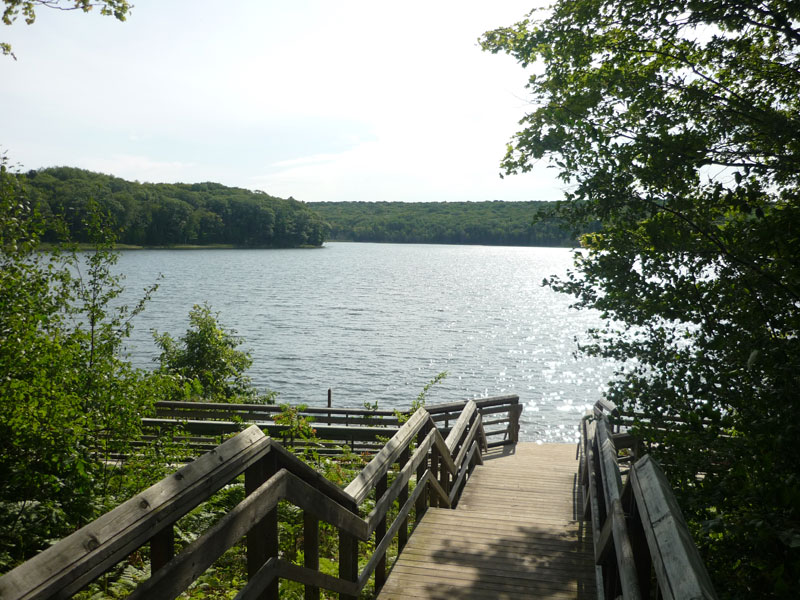
Discover some of the best family-friendly Ontario provincial parks for camping, swimming, hiking, paddling, wildlife watching, and outdoor adventures. From Sandbanks and Pinery to Algonquin, Awenda, Killbear, and more, these parks offer plenty of ways for families to enjoy time together outside.
-
Scenic Drives Near Ontario Provincial Parks
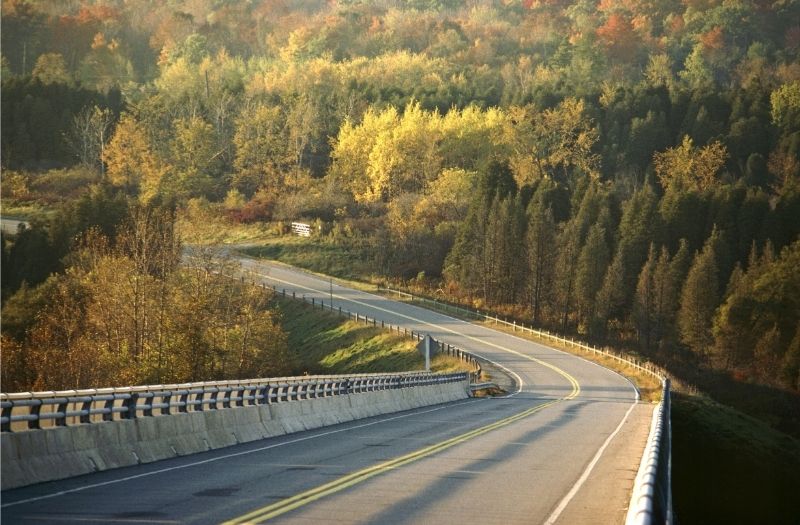
Discover some of the best scenic drives near Ontario provincial parks, from Highway 60 through Algonquin to the rugged Lake Superior shoreline. Explore beautiful routes near Killarney, Bon Echo, Pinery, the Bruce Peninsula, and Northwestern Ontario, with ideas for viewpoints, small towns, hikes, beaches, and stops along the way.