Category: Sleeping Giant Provincial Park

  • Visiting Sleeping Giant Provincial Park: What You Need to Know

    Visiting Sleeping Giant Provincial Park: What You Need to Know

    Sleeping Giant Provincial Park is one of those Ontario destinations that feels like a true adventure before you even reach the trailhead. Located on the Sibley Peninsula near Thunder Bay, the park combines rugged Lake Superior scenery, towering cliffs, quiet forests, inland lakes, beaches, and more than 100 kilometres of hiking trails.

    For some visitors, the big attraction is hiking to the Top of the Giant and looking out over Lake Superior. Others come to camp at Marie Louise Lake, explore shorter trails, paddle, cycle, fish, or simply enjoy a few peaceful days away from the city.

    Whatever brings you here, Sleeping Giant is a park where a little advance planning can make a big difference. Here is what you should know before planning your visit.

    Getting to Sleeping Giant Provincial Park

    Sleeping Giant Provincial Park is about 75 kilometres from Thunder Bay. The drive takes just over an hour, with Highway 587 running south through the park and providing access to many of its trailheads.

    For visitors coming from southern Ontario, reaching Sleeping Giant is part of the adventure. Thunder Bay is more than 1,300 kilometres from Toronto by road, so this is usually a destination for a longer Northern Ontario trip rather than a quick weekend getaway.

    Once you leave Thunder Bay, services become more limited. It is a good idea to fill your fuel tank and pick up groceries, hiking snacks, ice, and other supplies before heading onto the Sibley Peninsula.

    While you are in the area, consider allowing some time for Silver Islet. This small community near the tip of the peninsula has an interesting mining history and makes a worthwhile addition to a Sleeping Giant trip.

    Camping at Sleeping Giant Provincial Park

    The main car-camping area is Marie Louise Lake Campground. The campground has 200 campsites, with almost half offering electrical service. Sites include options suitable for tents as well as small and large recreational vehicles.

    Each campsite has a picnic table and designated fire pit, and water taps and vault toilets are within walking distance. The campground also has two comfort stations with showers, flush toilets, and laundry facilities.

    Campers looking for a quieter experience may be interested in the ten campsites located on the west shore of Marie Louise Lake.

    Camping in the park gives you a major advantage if hiking is your priority. Instead of driving in from Thunder Bay early in the morning, you can wake up in the park, have breakfast, pack your hiking gear, and head for the trail.

    Sleeping Giant also offers:

    • Two group camping areas
    • Five rustic cabins
    • Backcountry camping
    • A public beach at Marie Louise Lake
    • A boat launch and dock on Marie Louise Lake

    Reservations are worth making well in advance if you plan to visit during the summer or on a popular weekend.

    Backcountry Camping at Sleeping Giant

    If you want a more remote experience, Sleeping Giant has excellent opportunities for backpacking.

    There are 27 backcountry campsites divided among seven camping zones. A backcountry camping permit is required, and reservations can be made through the Ontario Parks reservation system.

    Backcountry camping here requires more preparation than staying at the main campground. You may be travelling considerable distances on foot while carrying everything you need.

    Before heading into the backcountry, make sure you have:

    • A detailed park or topographic map
    • Enough food for your entire trip
    • A reliable way to treat or filter water
    • Rain gear and warm clothing
    • A first-aid kit
    • A flashlight or headlamp
    • Appropriate hiking footwear
    • A realistic plan for daily hiking distances

    Do not rely entirely on your phone for navigation. Batteries die, phones get damaged, and reception may not always be dependable in remote areas.

    Hiking at Sleeping Giant Provincial Park

    Hiking is one of the biggest reasons people visit Sleeping Giant. The park has more than 100 kilometres of trails taking visitors through forests, along Lake Superior, beside inland lakes, and to impressive cliff-top viewpoints.

    The important thing to remember is that trail descriptions can sometimes be misleading if you look only at the length of the named trail. Several of Sleeping Giant’s famous hikes require travelling along other trails simply to reach the beginning of the climb.

    Always check the total round-trip distance from the parking area before choosing a trail.

    Hiking to the Top of the Giant

    The Top of the Giant Trail is probably the best-known hike in the park. It is also a serious undertaking.

    From the South Kabeyun Trailhead, the complete trip is approximately 21.8 kilometres round trip. Ontario Parks rates it as difficult and estimates that most hikers require six to ten hours to complete it.

    The reward is access to spectacular viewpoints high above Lake Superior. But this is not the kind of hike to begin casually in the middle of the afternoon.

    If you plan to hike to the Top of the Giant:

    • Start early in the day.
    • Check the weather forecast before leaving.
    • Carry plenty of drinking water.
    • Bring enough food and snacks for a full day.
    • Wear sturdy hiking footwear.
    • Pack rain gear and an extra layer.
    • Carry a map.
    • Give yourself enough daylight to return safely.

    The South Kabeyun Trailhead can also become busy during peak summer periods. Ontario Parks recommends arriving early, particularly in summer.

    Experienced cyclists may also be interested in a bike-and-hike approach. Bicycles are permitted along portions of the route toward the Giant, but bikes are not permitted on the steep final sections leading to the summit.

    Other Challenging Trails Worth Exploring

    Top of the Giant gets much of the attention, but it is far from the park’s only challenging hike.

    The Head Trail climbs steeply to the summit of the Giant’s head. Ontario Parks describes it as the steepest trail in the park, and the complete trip from the South Kabeyun Trailhead is approximately 16.2 kilometres round trip.

    The Nanabosho Lookout Trail provides another impressive viewpoint over the Sibley Peninsula. The complete journey from the South Kabeyun parking lot is approximately 17 kilometres round trip.

    Other trails to consider include:

    • Talus Lake Trail: A rugged route through some of the park’s impressive wilderness scenery.
    • Kabeyun Trail: A long trail that forms an important part of the park’s hiking and backcountry network.
    • Sawyer Bay Trail: A popular route that can also form part of longer hiking and cycling trips.
    • Sea Lion Trail: A shorter side trip leading toward one of the park’s interesting geological features.

    These routes give returning visitors plenty of reasons to come back rather than trying to see everything during one visit.

    You Don’t Have to Be a Hardcore Hiker

    The dramatic cliff-top hikes tend to get the photographs, but you do not need to spend eight hours climbing a mountain to enjoy Sleeping Giant Provincial Park.

    The park has shorter and easier trails that allow visitors to experience wetlands, forest environments, creeks, lakes, and local wildlife without committing to a full-day trek.

    Options include trails such as:

    • Joe Creek Nature Trail
    • Thunder Bay Bogs Nature Trail
    • Sibley Creek Nature Trail
    • Gardner Lake Trail
    • Sifting Lake Trail

    These can be particularly useful if you are travelling with young children, introducing someone to hiking, or simply want a relaxing walk between longer adventures.

    They are also good choices for arrival and departure days when you may not have enough time for one of the park’s major hikes.

    More Things to Do Besides Hiking

    Although hiking gets much of the attention, Sleeping Giant offers plenty of other ways to enjoy the outdoors.

    Marie Louise Lake is a natural centre for many of these activities. The campground has a public beach as well as a boat launch and dock.

    Depending on the season and conditions, you can spend time:

    • Swimming
    • Canoeing or kayaking
    • Cycling
    • Fishing
    • Wildlife watching
    • Birdwatching
    • Taking photographs
    • Relaxing at the beach

    Fishing is another option. Ontario Parks notes that smaller lakes in the park contain Northern Pike and Yellow Perch, while larger lakes may also have Smallmouth Bass and Walleye.

    If you are bringing a canoe or kayak, remember that Lake Superior deserves respect. Conditions on the big lake can change quickly, and paddlers should choose routes appropriate for their experience and the weather.

    Permits and Reservations

    Every vehicle in Sleeping Giant Provincial Park must have a valid permit displayed. This can include a daily vehicle permit, seasonal or annual pass, campground permit, or backcountry permit.

    Ontario Parks currently allows daily vehicle permits to be purchased online up to five days before your trip, starting at 7:00 a.m. Buying in advance can help guarantee your day-use spot when the park is busy.

    Before leaving home, check the Ontario Parks website for current information regarding:

    • Camping availability
    • Day-use permits
    • Backcountry reservations
    • Trail conditions
    • Fire restrictions
    • Park alerts
    • Facility operating dates and hours

    Conditions and operating dates can change from year to year, so checking shortly before your trip is better than relying on information from an older travel guide or social media post.

    Staying Safe While Exploring the Park

    Sleeping Giant feels considerably more remote than many provincial parks in southern Ontario. That wilderness character is one of its greatest attractions, but it also means visitors need to take their preparation seriously.

    A short walk around the campground requires little special planning. A 20-kilometre wilderness hike is another matter.

    For longer trips, follow a few basic precautions:

    • Tell someone where you are going and when you expect to return.
    • Carry extra food and water.
    • Dress in layers.
    • Pack protection from rain and wind.
    • Carry a map and know your route.
    • Bring a first-aid kit.
    • Keep a flashlight or headlamp in your pack.
    • Stay on marked trails.
    • Keep back from cliff edges.
    • Give wildlife plenty of space.

    Lake Superior can also influence local weather. Conditions may change quickly, and temperatures near the lake can feel very different from what you experienced earlier in the day.

    Being prepared does not make the trip less adventurous. It gives you a better chance of enjoying the adventure.

    When Is the Best Time to Visit Sleeping Giant?

    There really isn’t one perfect time to visit. The best season depends on what you want to do.

    Late spring can offer quieter trails and comfortable hiking temperatures. However, wet trail conditions and biting insects can be part of the experience.

    Summer is ideal for combining hiking with camping, swimming, paddling, and long evenings outdoors. It is also the busiest season, making advance reservations especially valuable.

    Early fall can be spectacular. Cooler temperatures are excellent for hiking, the forests begin to change colour, and photographers have plenty to work with.

    The trade-off in fall is shorter daylight. If you are planning a long hike such as Top of the Giant, an early start becomes even more important.

    Sleeping Giant also offers winter recreation, including cross-country skiing and snowshoeing, and some park facilities operate year-round.

    Planning a Two- or Three-Day Visit

    You could easily spend much longer at Sleeping Giant, but a two- or three-day trip gives first-time visitors a good introduction.

    A simple three-day itinerary might look like this:

    Day One: Arrive at Marie Louise Lake Campground, set up camp, explore one of the shorter trails, and spend the evening at the lake.

    Day Two: Get an early start and tackle Top of the Giant or another longer trail. Return to the campground for dinner and a well-earned relaxing evening.

    Day Three: Choose another short hike, explore a different part of the park, stop at a scenic viewpoint, or visit nearby Silver Islet before beginning your trip home.

    If you are driving a long distance to reach the Thunder Bay area, consider staying longer. An extra day gives you flexibility if poor weather interferes with your hiking plans.

    Why Sleeping Giant Is Worth the Journey

    Sleeping Giant Provincial Park is not the easiest Ontario park to reach for most people, and that is part of what makes visiting it feel special.

    You can wake up beside Marie Louise Lake, hike through quiet forests, climb to viewpoints hundreds of metres above Lake Superior, paddle, cycle, fish, photograph wildlife, or simply enjoy being somewhere that still feels genuinely wild.

    You also don’t have to hike to the Top of the Giant to have a memorable visit. There are enough shorter trails, lakes, beaches, scenic stops, and camping opportunities to build a trip around whatever level of adventure suits you.

    Plan ahead, give yourself enough time, and don’t try to squeeze too much into one day. Sleeping Giant is the kind of provincial park that rewards visitors who slow down and explore—and gives you plenty of reasons to return.

  • The Best Ontario Provincial Parks for Fall Colours

    The Best Ontario Provincial Parks for Fall Colours

    Fall is one of the most beautiful times of year to explore Ontario’s provincial parks. Forests that were green all summer suddenly turn brilliant shades of red, orange, yellow, and gold, creating some of the best scenery of the year.

    For campers, hikers, photographers, and anyone who enjoys spending time outdoors, autumn offers plenty of reasons to visit a provincial park. Cooler temperatures make hiking more comfortable, biting insects are usually less troublesome, and many parks become quieter once the busy summer season ends.

    The challenge is deciding where to go. Ontario has dozens of provincial parks where you can enjoy fall colours, but a few stand out for their forests, lakes, rocky viewpoints, and hiking trails.

    Here are some of the best Ontario provincial parks for enjoying fall colours.

    Algonquin Provincial Park — Ontario’s Classic Fall Colour Destination

    When most people think about fall colours in Ontario, Algonquin Provincial Park is probably one of the first places that comes to mind. Its rolling hills, hardwood forests, rocky ridges, and countless lakes create the classic Ontario autumn landscape.

    Sugar maples are responsible for many of the brilliant reds and oranges that appear across Algonquin in the fall. Later in the season, yellow birches, aspens, and tamaracks add another wave of colour.

    There are several excellent places to experience the scenery along the Highway 60 corridor.

    Popular options include:

    • Lookout Trail, which climbs to a spectacular viewpoint over surrounding forests.
    • Track and Tower Trail, offering forests, lakes, historical sites, and elevated views.
    • Booth’s Rock Trail, where hikers can enjoy impressive views over Rock Lake.
    • Highway 60, which offers plenty of colourful scenery even if you are simply driving through the park.

    Algonquin can become extremely busy during peak fall colour season, particularly on weekends. If possible, visit during the week and plan your trip ahead of time.

    You may also want to visit later in the season. Once the bright red maples begin dropping their leaves, the forest often shifts toward yellows and golds, creating a completely different but equally beautiful landscape.

    Arrowhead Provincial Park — Beautiful Muskoka Fall Scenery

    Located near Huntsville, Arrowhead Provincial Park is another excellent destination for autumn colours. It offers many of the scenic features people associate with Muskoka, including hardwood forests, rocky terrain, lakes, and winding rivers.

    One of the park’s best-known viewpoints is Big Bend Lookout. From the viewing platform, you can look down on the Big East River as it curves through the surrounding landscape.

    When autumn colours arrive, the view becomes especially impressive.

    Arrowhead also has several hiking trails worth exploring in the fall:

    • Arrowhead Lake Trail circles the lake through mixed forest.
    • Stubb’s Falls Trail leads to a scenic waterfall surrounded by trees.
    • Beaver Meadow Trail passes through wetlands and wooded areas.
    • Big Bend Lookout provides a rewarding view without requiring a long hike.

    Arrowhead Lake Trail circles the lake through mixed forest.

    Stubb’s Falls Trail leads to a scenic waterfall surrounded by trees.

    Beaver Meadow Trail passes through wetlands and wooded areas.

    Big Bend Lookout provides a rewarding view without requiring a long hike.

    Arrowhead makes a good alternative for visitors who want a classic central Ontario fall experience without travelling deep into Algonquin Provincial Park.

    Like many popular parks, however, Arrowhead can still become busy during peak autumn weekends. A weekday visit often provides a quieter experience.

    Bon Echo Provincial Park — Fall Colours Around Mazinaw Rock

    Bon Echo Provincial Park offers one of the most distinctive autumn landscapes in Ontario.

    The park’s best-known feature is Mazinaw Rock, a massive cliff rising above Mazinaw Lake. When the surrounding forest turns red, orange, and yellow, the contrast between the rock face, colourful trees, and dark blue water can be spectacular.

    Visitors have several ways to enjoy the scenery.

    You can explore trails such as:

    • High Pines Trail, which passes through mature forest.
    • Shield Trail, featuring Canadian Shield landscapes and mixed woodland.
    • Cliff Top Trail, reached from across Mazinaw Lake and offering elevated views.

    Even if you are not planning a long hike, spending time along the shoreline can provide excellent views.

    On calm days, fall colours reflecting on Mazinaw Lake can make the scenery even more dramatic. Photographers may want to visit early in the morning or later in the afternoon when softer light highlights the cliffs and colourful trees.

    Bon Echo is also worth considering for a later-season autumn trip, depending on park operating dates and conditions.

    Killarney Provincial Park — Dramatic Autumn Landscapes

    Killarney Provincial Park has a very different appearance from many other Ontario parks.

    Instead of endless rolling hardwood forests, Killarney combines colourful trees with rugged white quartzite ridges, dark evergreens, exposed rock, and clear lakes. That mixture makes the park particularly impressive in autumn.

    Bright red and yellow leaves stand out dramatically against the pale ridges of the La Cloche Mountains.

    Several trails provide excellent fall scenery.

    Consider exploring:

    • Granite Ridge Trail, which leads to viewpoints over surrounding forest and lakes.
    • Cranberry Bog Trail, a shorter trail through several different habitats.
    • Lake of the Woods Trail, offering views of the park’s rugged landscape.

    Killarney is an especially good choice for hikers and photographers looking for something different from the traditional maple forests of central Ontario.

    Some trails in Killarney can be challenging. Rocky terrain, wet conditions, and rapidly changing fall weather mean good footwear and proper preparation are important.

    Frontenac Provincial Park — A Quieter Place for Fall Hiking

    If your idea of a perfect autumn trip involves hiking through quiet forests rather than visiting crowded viewpoints, Frontenac Provincial Park deserves consideration.

    Located north of Kingston, Frontenac offers an extensive trail system through Canadian Shield terrain, forests, wetlands, and lakes.

    The park has more than 100 kilometres of hiking and backpacking trails. That makes it particularly attractive to visitors who want to spend several hours—or even an entire day—surrounded by fall colours.

    Popular hiking options include:

    • Doe Lake Loop, a relatively accessible introduction to the park.
    • Dedication Trail, offering a longer and more challenging hike.
    • Numerous interconnected loops for experienced hikers and backpackers.

    Doe Lake Loop, a relatively accessible introduction to the park.

    Dedication Trail, offering a longer and more challenging hike.

    Numerous interconnected loops for experienced hikers and backpackers.

    Frontenac does not have the same famous roadside viewpoints as Algonquin, but that is part of its appeal.

    Instead of arriving at one major lookout, you experience the landscape gradually as you hike through forests, along rocky ridges, and beside quiet lakes.

    Sleeping Giant Provincial Park — Northern Ontario Fall Colours

    For anyone planning a fall trip to northwestern Ontario, Sleeping Giant Provincial Park offers spectacular scenery.

    Located near Thunder Bay on the Sibley Peninsula, the park combines forests, towering cliffs, and expansive views over Lake Superior.

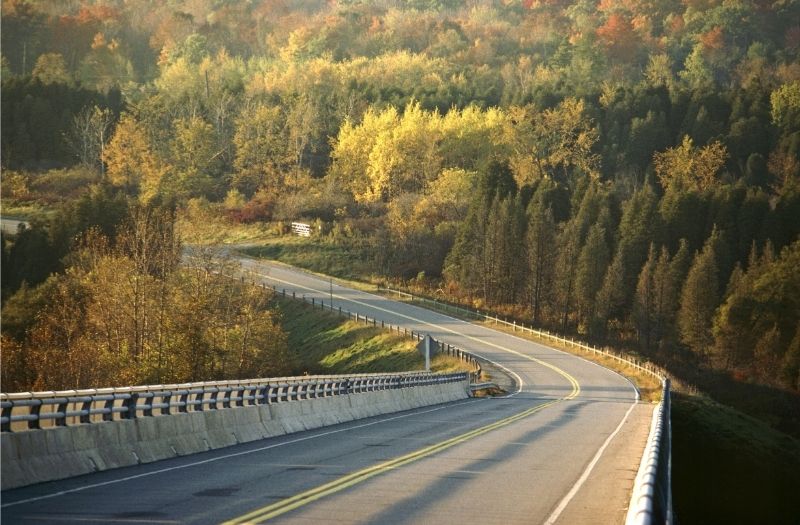
    Fall colours here can look quite different from those found farther south. Golden birches and aspens often mix with dark green conifers, creating broad patches of yellow and gold across the landscape.

    Visitors can explore several scenic areas, including:

    • Thunder Bay Lookout, offering dramatic views over Lake Superior.
    • Highway 587, which passes through colourful forest on the way into the park.
    • Top of the Giant Trail, a challenging hike that rewards experienced hikers with outstanding views.

    Because Sleeping Giant is considerably farther north than parks such as Algonquin or Bon Echo, fall colours can arrive earlier.

    Anyone planning a trip should check current colour conditions before travelling.

    Other Ontario Provincial Parks Worth Visiting in the Fall

    The most famous parks are not necessarily the only places to find great autumn scenery. Smaller or less crowded provincial parks can provide equally memorable experiences.

    Consider adding these parks to your fall travel list:

    Exploring less-famous parks can also make fall trips more relaxing. You may find quieter trails, easier parking, and more opportunities to enjoy the scenery without large crowds.

    When Is the Best Time to See Fall Colours in Ontario?

    There is no single weekend when fall colours peak everywhere in Ontario.

    The province covers a huge geographic area, so autumn arrives at different times depending on latitude, elevation, local weather, and tree species.

    Northern Ontario usually changes first. Central Ontario often follows, while areas farther south may continue showing colour later into October.

    Weather also matters. Warm sunny days and cool nights can influence colour development, while strong wind or heavy rain can quickly strip leaves from trees.

    Before heading out, check the Ontario Parks Fall Colour Report for current conditions.

    The report can help you determine:

    • How much of the forest has changed colour.
    • Which colours are most prominent.
    • How much leaf fall has occurred.
    • Which areas of a park offer good viewing opportunities.

    If your schedule is flexible, monitoring the report for several days can help you choose the best time to visit.

    Tips for Planning a Fall Provincial Park Trip

    Autumn park visits require slightly different preparation than summer trips.

    Temperatures can change quickly, especially early in the morning and after sunset. A warm afternoon can easily turn into a cold evening.

    Before leaving home:

    • Autumn park visits require slightly different preparation than summer trips.
    • Temperatures can change quickly, especially early in the morning and after sunset. A warm afternoon can easily turn into a cold evening.
    • Before leaving home:
    • Dress in layers.
    • Bring a waterproof jacket.
    • Wear sturdy hiking shoes or boots.
    • Carry water and snacks.
    • Check trail and weather conditions.
    • Confirm park operating dates and available facilities.
    • Reserve a daily vehicle permit when required.
    • Bring a camera or binoculars if you enjoy photography or wildlife watching.

    Popular parks can become extremely busy during peak colour weekends. Arriving early or visiting during the week can make the experience much more enjoyable.

    Campers should also remember that many services begin closing as the season progresses. Some campgrounds, comfort stations, stores, and other facilities may operate on reduced schedules during autumn.

    Finding Your Favourite Ontario Fall Escape

    Ontario’s provincial parks offer an incredible variety of fall landscapes.

    Algonquin delivers the classic maple-covered hills many people associate with an Ontario autumn. Bon Echo combines colourful forest with the dramatic cliffs of Mazinaw Rock, while Killarney adds brilliant foliage to its white quartzite ridges and clear lakes.

    Arrowhead offers beautiful Muskoka scenery, Frontenac provides kilometres of quieter hiking trails, and Sleeping Giant shows just how spectacular autumn can be along Lake Superior.

    You do not have to visit the most famous park to have a memorable fall adventure. Sometimes a smaller provincial park, a quiet trail, and a colourful lake viewed on a crisp October morning can be just as rewarding.

    Check current fall colour conditions, pack a few extra layers, and head outside. Ontario’s autumn display does not last long, but that is part of what makes it so special.

  • Scenic Drives Near Ontario Provincial Parks

    Scenic Drives Near Ontario Provincial Parks

    Ontario’s provincial parks are destinations in their own right, but sometimes it pays to explore beyond the campground. Many parks are surrounded by winding highways, quiet backroads, lakeside communities, forests, rock cuts, and viewpoints that can turn an ordinary drive into part of the adventure.

    A scenic drive is also a great addition to a camping trip. It can give tired legs a break after a long hike, provide something to do when the weather is less than perfect, or simply let you see more of the region you travelled to visit.

    From the forests of Algonquin to the rugged Lake Superior shoreline, here are some scenic drives worth adding to your next Ontario provincial park trip.

    Highway 60 Through Algonquin Provincial Park

    Few roads are as closely associated with an Ontario park as Highway 60 through Algonquin Provincial Park. The highway corridor stretches approximately 56 kilometres through the southern portion of the park, connecting the West Gate and East Gate.

    Along the way, you’ll pass forests, lakes, wetlands, rocky ridges, campgrounds, trailheads, and some of Algonquin’s most popular attractions. You could drive straight through, but that would miss much of what makes this route special.

    Good places to stop include:

    • Canoe Lake
    • Lake of Two Rivers
    • Spruce Bog Boardwalk
    • Algonquin Visitor Centre
    • Algonquin Logging Museum
    • One of the many hiking trailheads along Highway 60

    Ontario Parks lists eight campgrounds and 14 interpretive trails along the Highway 60 corridor, making it easy to turn a drive into a full day of exploring.

    Wildlife sightings are also possible. Moose are among Algonquin’s most famous residents, although drivers should never stop suddenly or block traffic to get a photograph.

    Summer is beautiful, but fall transforms this route. The maples can turn the surrounding hills into brilliant displays of red, orange, and yellow, which is why Highway 60 becomes one of Ontario’s busiest fall-colour drives.

    Highway 17 Through Lake Superior Provincial Park

    If you want dramatic scenery, Highway 17 through Lake Superior Provincial Park is hard to beat. This part of the Trans-Canada Highway travels through rugged Northern Ontario terrain with frequent glimpses of Lake Superior.

    The landscape feels considerably wilder than most drives in Southern Ontario. Boreal forest, rocky cliffs, beaches, rivers, and enormous stretches of blue water make the journey feel like a road trip even if you’re only heading out from your campsite for the afternoon.

    Possible stops include:

    • Agawa Bay
    • Lake Superior Provincial Park Visitor Centre
    • Old Woman Bay
    • Sand River
    • Scenic lookouts and picnic areas
    • Short hiking trails accessed from Highway 17

    Agawa Bay Campground sits directly on Lake Superior along a three-kilometre beach, while numerous hiking trails and park access points are located along Highway 17.

    If you’re approaching from Sault Ste. Marie, the scenic driving begins well before the park. Batchawana Bay is another worthwhile stop, with Ontario Parks specifically highlighting the views along Highway 17 in this area.

    Give yourself plenty of time. This is the type of route where you may repeatedly find yourself saying, “We should stop here.”

    Highway 637 to Killarney Provincial Park

    The drive to Killarney Provincial Park feels like you’re gradually leaving the busier world behind.

    Highway 637 branches west from Highway 69 and winds toward Killarney through forests, lakes, wetlands, and exposed rock. As you get closer to the park, the scenery begins to show the geological features that make Killarney so distinctive.

    The area is known for:

    • White quartzite ridges of the La Cloche Mountains
    • Pink granite along Georgian Bay
    • Clear blue lakes
    • Jack pine forests
    • Rugged Canadian Shield landscapes

    Ontario Parks describes Killarney as a wilderness landscape of white quartzite ridges, pink granite, and more than 50 exceptionally clear lakes. George Lake Campground provides access to beaches, hiking trails, and paddling opportunities.

    Don’t necessarily turn around when you reach the park. Continue another approximately 10 kilometres to the historic village of Killarney on Georgian Bay.

    The combination of Highway 637, Killarney Provincial Park, and the village makes this an easy full-day outing. Fall adds another layer of colour as the surrounding hardwoods contrast with the white quartzite hills and dark evergreens.

    Scenic Backroads Around Bon Echo Provincial Park

    Bon Echo Provincial Park is best known for Mazinaw Rock, but the surrounding Land O’ Lakes region deserves some exploring too.

    Highway 41 is the main route through the area, but smaller roads leading away from it can take you through cottage country, forests, lakes, and quiet rural communities. This is less about one famous highway and more about taking your time and wandering.

    A day around Bon Echo might include:

    • A morning hike in the park
    • Time beside Mazinaw Lake
    • A drive through the surrounding countryside
    • A picnic beside a lake
    • A stop in one of the region’s small communities

    This part of Eastern Ontario is particularly attractive in fall. Hardwood forests surrounding the lakes provide beautiful colour without always attracting the same volume of traffic found along Algonquin’s Highway 60 corridor.

    It’s a good destination for campers who enjoy finding their own route rather than following a tightly planned itinerary.

    Explore the Lake Huron Shore From Pinery Provincial Park

    Not every great Ontario scenic drive involves granite cliffs and Canadian Shield wilderness.

    Pinery Provincial Park offers an entirely different experience along the Lake Huron shore. Here, you can combine beaches and dunes with rural farmland, small towns, and some of Ontario’s best sunsets.

    From the Pinery and Grand Bend area, consider exploring communities farther north along the Lake Huron coast, including:

    • Bayfield
    • Goderich
    • Smaller beaches and waterfront areas along the way

    You could spend the morning hiking or swimming at Pinery, then head out for an afternoon drive. Stop for lunch, walk along a waterfront, browse a few local shops, and slowly work your way back toward your campsite.

    Try to time the final part of the drive for sunset. Lake Huron sunsets can turn even the drive back to camp into one of the most memorable parts of the day.

    Drive the Bruce Peninsula and Georgian Bay

    The Bruce Peninsula offers another opportunity to build a scenic drive around an Ontario camping trip.

    Highway 6 is the main north-south route, but the real fun often begins when you leave it. Side roads lead toward Lake Huron and Georgian Bay, opening up opportunities to discover beaches, cliffs, harbours, forests, and small communities.

    Provincial parks that can be incorporated into a longer trip through this region include:

    Continue north and you can visit Wiarton, Lion’s Head, and Tobermory. Bruce Peninsula National Park is also nearby if your road trip includes both provincial and national parks.

    Rather than rushing directly up Highway 6, leave time for detours. A road that heads toward Georgian Bay or Lake Huron may lead to exactly the kind of quiet viewpoint or waterfront stop that makes a road trip memorable.

    This is an especially good region for a multi-day camping trip where exploring by car is part of the plan.

    Take a Park-to-Park Drive Across Northwestern Ontario

    If you have more than an afternoon to spare, Northwestern Ontario offers scenic driving on a much larger scale.

    Highway 17 follows the Trans-Canada Highway through vast stretches of forest and rugged Canadian Shield country. Lake Superior regularly appears along the route, while rivers, cliffs, beaches, and waterfalls provide plenty of reasons to stop.

    Several provincial parks can form the basis of a longer park-to-park trip, including:

    You could also extend the trip eastward to include Lake Superior Provincial Park, turning the journey into a major Northern Ontario camping road trip.

    Distances are much greater here than in Southern Ontario. Fuel stations, restaurants, and services can be farther apart, so plan ahead and avoid waiting until the fuel gauge is nearly empty before looking for a gas station.

    The extra planning is worth it. This is the Ontario of huge skies, long stretches of wilderness, and roads where the journey can be just as impressive as the campground waiting at the end.

    Tips for Planning a Scenic Drive From Your Campsite

    A scenic drive should feel relaxed, not like another item you need to complete on a schedule.

    Choose a reasonable distance and leave room for unexpected stops. You might find a short hiking trail, waterfront picnic area, roadside lookout, or small town you had never planned to visit.

    Before leaving camp:

    • Fill your fuel tank, especially in Northern Ontario
    • Carry drinking water and snacks
    • Bring a sweater or rain jacket
    • Download maps if cellular service may be unreliable
    • Check road and weather conditions
    • Pack binoculars and a camera
    • Bring comfortable shoes for short walks
    • Tell someone your route if you are travelling into a remote area

    Watch carefully for wildlife, particularly around dawn and dusk. Moose and deer can appear suddenly, and hitting a large animal can have serious consequences.

    Remember that the driver’s job is to drive. Pull safely off the road at designated areas when you want to enjoy a view or take photographs.

    When Is the Best Time for an Ontario Scenic Drive?

    There really isn’t a bad time for a scenic drive during Ontario’s camping season. Each part of the year offers something different.

    Spring brings rushing rivers, waterfalls, fresh greenery, and generally smaller crowds. Some seasonal facilities may not yet be open, however, so check before travelling.

    Summer provides the longest days and the greatest number of options. You can combine driving with hiking, swimming, paddling, beaches, picnics, and visits to nearby communities.

    Fall may be the most spectacular season of all. Algonquin, Killarney, Bon Echo, and other forested areas can explode with colour during September and October.

    Fall weekends can also be extremely busy at popular destinations. Consider travelling during the week or leaving early in the morning if you want a quieter experience.

    Take the Long Way Back to Camp

    Camping gives you a base from which to explore, and sometimes the best thing you can do is get in the car and see what lies beyond the park boundary.

    Ontario’s provincial parks are surrounded by lakes, forests, highways, country roads, waterfalls, lookouts, beaches, and communities that are easy to miss when you focus only on reaching your campsite.

    Whether you’re following Highway 60 through Algonquin, watching Lake Superior appear around a bend on Highway 17, heading toward the white quartzite hills of Killarney, or wandering the backroads near Bon Echo, don’t always choose the fastest route.

    Sometimes taking the long way back to camp is the whole point of the drive.

  • Quiet Campgrounds in Ontario Provincial Parks for a Relaxing Getaway

    Quiet Campgrounds in Ontario Provincial Parks for a Relaxing Getaway

    For many campers, the perfect camping trip isn’t about crowded beaches, packed campgrounds, or busy hiking trails. Instead, it’s about waking up to birdsong, paddling across a calm lake at sunrise, and spending an evening beside a crackling campfire under a sky full of stars.

    Ontario is home to more than 330 provincial parks, and while some attract thousands of visitors each summer, others remain peaceful retreats where nature takes centre stage. If you’re looking to slow down, unplug, and enjoy the outdoors without the crowds, these quieter campgrounds are worth adding to your camping bucket list.

    Whether you’re planning a weekend escape or a longer vacation, here are some of Ontario’s best provincial parks for a relaxing camping experience.

    What Makes a Campground Quiet?

    Not every campground offers the same atmosphere. Some parks are popular for swimming, boating, and family activities, while others are known for their solitude and natural beauty.

    Several factors can make a campground feel more peaceful.

    • Smaller campgrounds with fewer campsites
    • Parks located farther from major cities
    • Canoe or walk-in camping areas
    • Lakes with little motorboat traffic
    • Dense forests that reduce noise
    • Fewer day visitors and tourist attractions nearby

    Even busy parks can become surprisingly quiet if you visit during the middle of the week or outside the peak summer season.

    Best Quiet Campgrounds in Ontario Provincial Parks

    Ontario has no shortage of beautiful parks, but these destinations consistently offer a quieter camping experience for those looking to relax.

    Wakami Lake Provincial Park

    Located in Northern Ontario, Wakami Lake Provincial Park is one of the province’s hidden gems. Its remote location naturally limits visitor numbers, making it ideal for campers who want to escape busy tourist destinations.

    The campground offers spacious sites surrounded by mature trees, while the lake provides excellent opportunities for canoeing, kayaking, and fishing. Even during summer, you’ll often find yourself enjoying long stretches of peaceful shoreline.

    Ivanhoe Lake Provincial Park

    Ivanhoe Lake Provincial Park offers beautiful sandy beaches without the crowds found at many southern Ontario parks.

    Visitors can enjoy swimming, paddling, hiking, and birdwatching in a relaxed setting. The surrounding boreal forest creates a quiet atmosphere that’s perfect for reading, photography, or simply enjoying nature.

    Mississagi Provincial Park

    Mississagi Provincial Park remains one of Northern Ontario’s best-kept secrets. Surrounded by forests and scenic lakes, it’s an excellent destination for campers looking to disconnect from everyday life.

    The hiking trails are typically uncrowded, and paddlers can spend hours exploring calm waters without seeing another canoe.

    Restoule Provincial Park

    Although Restoule Provincial Park has become more popular over the years, its large size helps spread visitors across multiple campground loops and lakes.

    If you enjoy hiking, canoeing, or fishing, you’ll find plenty of opportunities to leave the busier areas behind. Choosing a campsite away from the beach or playground can make your stay even quieter.

    Lady Evelyn-Smoothwater Provincial Park

    For experienced campers seeking complete solitude, few places compare to Lady Evelyn-Smoothwater Provincial Park.

    This backcountry wilderness park is accessed primarily by canoe, rewarding adventurous visitors with pristine lakes, remote campsites, and exceptional wildlife viewing. It’s an unforgettable destination for those who truly want to escape civilization.

    Other Quiet Parks Worth Exploring

    Several other Ontario Provincial Parks also provide peaceful camping experiences depending on the time of year.

    These include:

    Activities That Help You Slow Down

    Quiet campgrounds encourage visitors to enjoy simple outdoor activities that don’t require busy schedules or expensive equipment.

    Some of the best ways to relax include:

    • Canoeing or kayaking on calm lakes
    • Hiking quiet forest trails
    • Birdwatching
    • Wildlife photography
    • Fishing
    • Reading beside the lake
    • Sketching or journaling
    • Watching sunsets
    • Stargazing after dark

    These slower-paced activities help reduce stress while allowing you to appreciate the natural beauty surrounding you.

    Instead of constantly checking your phone or planning your next activity, you’ll find yourself enjoying the moment.

    Tips for Finding Peaceful Campsites

    Even at popular parks, choosing the right campsite can make a big difference.

    Before making your reservation, consider these helpful tips.

    • Camp Sunday through Thursday whenever possible.
    • Visit during May, early June, or September.
    • Reserve campsites at the end of campground loops.
    • Stay farther from beaches, playgrounds, and comfort stations.
    • Look for radio-free campgrounds or radio-free sections.
    • Review campground maps before booking.
    • Choose parks that are several hours from major urban centres.

    Planning ahead often results in a much more relaxing camping experience.

    What to Pack for a Relaxing Camping Getaway

    Packing the right gear can help you fully enjoy a peaceful camping trip.

    Along with your regular camping equipment, consider bringing:

    • Comfortable camp chair
    • Hammock
    • Binoculars
    • Camera
    • Journal or notebook
    • Favourite book
    • Coffee maker or French press
    • Warm sweater for cool evenings
    • Headlamp
    • Reusable water bottle
    • Insect repellent

    The goal isn’t to stay busy every minute. It’s to have everything you need to comfortably enjoy nature at your own pace.

    Practice Quiet Camping Etiquette

    A peaceful campground depends on everyone doing their part.

    Respecting fellow campers helps preserve the relaxing atmosphere that makes these parks so enjoyable.

    Good camping etiquette includes:

    • Observe campground quiet hours.
    • Keep music volumes low or use headphones.
    • Speak quietly during early mornings and evenings.
    • Keep pets under control.
    • Minimize generator use where permitted.
    • Respect wildlife by observing from a distance.
    • Leave your campsite cleaner than you found it.

    Small acts of courtesy help ensure everyone enjoys their camping experience.

    Why Quiet Camping Is Good for Your Well-Being

    Many people head into nature hoping to reduce stress, improve their mood, and take a break from busy daily routines. Quiet campgrounds make those goals easier to achieve by removing many of the distractions found in everyday life.

    Studies have shown that spending time in nature can help lower stress levels, improve sleep, and support mental well-being. Without constant traffic, crowded facilities, or background noise, it’s easier to slow down and appreciate your surroundings.

    Even a short weekend in a peaceful provincial park can leave you feeling refreshed and recharged before returning home.

    Find Your Perfect Place to Unwind

    Ontario’s provincial parks offer something for every type of camper, but if your goal is peace and relaxation, choosing a quieter destination can completely change your camping experience.

    Whether you’re paddling across a calm northern lake, enjoying your morning coffee beside the water, or falling asleep to the sound of rustling leaves, these peaceful parks remind us why we spend time outdoors in the first place. Plan your next getaway to one of Ontario’s quieter campgrounds and discover just how relaxing camping can be when nature is the loudest thing you hear.

  • Best Waterfront Campsites in Ontario Provincial Parks

    Best Waterfront Campsites in Ontario Provincial Parks

    There is something special about camping beside the water. Waking up to the sound of gentle waves, watching the sunrise over a quiet lake, and spending the evening around a campfire near the shoreline creates memories that last for years.

    Ontario is home to some of the best waterfront camping in Canada. With hundreds of provincial parks spread across the province, campers can choose from sandy beaches, rocky shorelines, calm inland lakes, and rugged northern wilderness settings. Whether you enjoy swimming, paddling, fishing, hiking, or simply relaxing by the water, Ontario Provincial Parks offer countless waterfront camping opportunities.

    If you are planning your next camping trip, these are some of the best waterfront campsites in Ontario Provincial Parks worth adding to your list.

    What Makes a Great Waterfront Campsite?

    Not all waterfront campsites are the same. Some are located directly beside the water with private shoreline access, while others are just a short walk from a beach or lake.

    Many campers look for campsites that offer:

    • Easy swimming access
    • Great lake views
    • Privacy from neighbouring sites
    • Canoe or kayak access
    • Quiet surroundings
    • Good fishing opportunities
    • Scenic sunsets

    The type of waterfront experience also matters. Families with young children often prefer sandy beaches and calm swimming areas, while canoe campers may look for quieter lakes with direct paddling access.

    Ontario Provincial Parks offer all of these experiences depending on where you camp.

    Algonquin Provincial Park

    Algonquin Provincial Park is one of the most famous camping destinations in Canada, and for good reason. The park features thousands of lakes, dense forests, incredible wildlife viewing opportunities, and some of the best canoe routes in the province.

    The park also offers excellent waterfront camping for both beginners and experienced campers.

    Lake of Two Rivers Campground

    Lake of Two Rivers is one of the most popular campgrounds in Algonquin. Many campsites are located close to the water, and the large sandy beach makes it ideal for families.

    Campers can enjoy:

    • Swimming
    • Canoeing
    • Paddleboarding
    • Hiking nearby trails
    • Evening sunsets over the lake

    The campground is also centrally located along Highway 60, making it convenient for exploring the park.

    Canisbay Lake Campground

    Canisbay Lake offers a quieter camping experience compared to some of Algonquin’s busier campgrounds. Several campsites sit near the shoreline, and the lake is calm enough for beginner paddlers.

    The peaceful setting makes this campground a favourite among campers looking for a more relaxing trip.

    Rock Lake Campground

    Rock Lake provides a more rugged waterfront atmosphere with larger lake views and excellent canoe access. It is a great option for campers interested in longer paddling adventures or fishing trips.

    Moose sightings are also common throughout the surrounding area.

    Killbear Provincial Park

    Killbear Provincial Park is located along the eastern shore of Georgian Bay and is famous for its windswept pine trees, rocky shoreline, and crystal-clear water.

    For many Ontario campers, Killbear is one of the best waterfront camping parks in the province.

    Lighthouse Point

    The Lighthouse Point area offers some of the most scenic waterfront views in Ontario Provincial Parks. Campers can walk along the rocky shoreline and enjoy incredible sunsets over Georgian Bay.

    This area is especially popular with:

    • Photographers
    • Kayakers
    • Swimmers
    • Families
    • Sunset watchers

    The combination of smooth rock formations and clear water gives Killbear a very unique landscape.

    Harold Point Campground

    Harold Point Campground offers several campsites close to the water along with easy beach access. The campground is family-friendly and provides a good balance between comfort and natural scenery.

    The calm bays around the campground are excellent for kayaking and canoeing.

    Why Campers Love Killbear

    Many visitors return to Killbear year after year because of its relaxing atmosphere and beautiful shoreline scenery.

    Popular activities include:

    • Swimming in Georgian Bay
    • Hiking coastal trails
    • Canoeing and kayaking
    • Fishing
    • Wildlife viewing

    The sunsets alone are worth the trip.

    Killarney Provincial Park

    Killarney Provincial Park is often considered one of Ontario’s most beautiful parks. Known for its white quartzite cliffs and turquoise lakes, Killarney attracts hikers, paddlers, photographers, and outdoor enthusiasts from across Canada.

    Waterfront camping here feels truly unforgettable.

    George Lake Campground

    George Lake Campground serves as the main campground in Killarney and offers several waterfront and near-water campsites.

    Campers can enjoy:

    • Canoeing
    • Swimming
    • Fishing
    • Hiking
    • Stargazing

    The campground also provides direct access to several famous hiking trails.

    Hiking and Waterfront Scenery

    One of the biggest draws to Killarney is the combination of hiking and waterfront camping. The famous Crack Trail offers breathtaking views of the surrounding lakes and forests.

    After a long hike, returning to a peaceful waterfront campsite makes the experience even better.

    Booking Tips for Killarney

    Killarney is extremely popular during summer, so booking early is important.

    For the best chance at securing waterfront campsites:

    • Reserve several months in advance
    • Consider weekday trips
    • Look at shoulder season camping in spring or fall
    • Study campground maps before booking

    Fall camping in Killarney can be especially beautiful when the leaves begin changing colour.

    Bon Echo Provincial Park

    Bon Echo Provincial Park offers one of the most unique waterfront camping experiences in Ontario thanks to the towering Mazinaw Rock cliffs that rise dramatically above Mazinaw Lake.

    The park combines excellent camping, paddling, hiking, and incredible scenery.

    Mazinaw Campground

    Mazinaw Campground places campers close to the lake and within easy reach of the park’s main attractions.

    Many visitors spend their days:

    • Canoeing along Mazinaw Rock
    • Swimming at the beach
    • Fishing
    • Exploring the shoreline
    • Viewing Indigenous pictographs from the water

    The towering cliffs create an unforgettable backdrop for camping.

    Hardwood Hill Campground

    Hardwood Hill offers a quieter atmosphere compared to some of the busier areas of the park. While not every campsite sits directly beside the water, many are within walking distance of the shoreline.

    This area is ideal for campers who want a more peaceful experience while still enjoying waterfront access.

    Why Bon Echo Stands Out

    Bon Echo feels different from many other Ontario Provincial Parks because of its dramatic scenery and rich history.

    The combination of cliffs, lake views, forests, and calm paddling routes makes it one of Ontario’s most memorable camping destinations.

    Sleeping Giant Provincial Park

    Sleeping Giant Provincial Park offers a completely different waterfront camping experience compared to southern Ontario parks. Located near Thunder Bay along Lake Superior, the park features rugged landscapes, dramatic cliffs, and cooler northern temperatures.

    For campers who enjoy wilderness scenery, Sleeping Giant is hard to beat.

    Marie Louise Lake Campground

    Marie Louise Lake Campground is surrounded by beautiful northern forest and peaceful water views. The campground offers a quieter atmosphere compared to many southern Ontario parks.

    Campers can enjoy:

    • Canoeing
    • Wildlife viewing
    • Hiking
    • Fishing
    • Relaxing around the lake

    The cooler climate during summer also makes it comfortable for hiking and outdoor activities.

    Hiking Along Lake Superior

    Sleeping Giant is known for its incredible hiking trails overlooking Lake Superior. The Top of the Giant Trail is one of Ontario’s most famous hikes and offers stunning views of the lake and surrounding cliffs.

    After spending the day on the trails, relaxing at a waterfront campsite feels especially rewarding.

    A Different Side of Ontario Camping

    Northern Ontario parks often feel less crowded and more remote than parks closer to Toronto and southern Ontario cities.

    For campers looking for:

    • Rugged scenery
    • Quiet campgrounds
    • Cooler weather
    • Wilderness atmosphere
    • Incredible hiking

    Sleeping Giant is an excellent choice.

    Tips for Booking the Best Waterfront Campsites

    Waterfront campsites are often the first to sell out, especially during summer weekends.

    Here are a few helpful booking tips:

    • Reserve as early as possible
    • Use campsite maps before booking
    • Look for sites with privacy buffers
    • Consider weekday camping trips
    • Try spring or fall camping for fewer crowds
    • Research the shoreline type before booking

    It is also important to pack properly for waterfront conditions.

    Helpful items include:

    • Water shoes
    • Dry bags
    • Bug spray
    • Tarps
    • Extra rope
    • Waterproof storage containers

    Weather near the water can change quickly, especially in northern Ontario.

    Finding the Right Waterfront Campsite for Your Style

    Every camper looks for something different when choosing a campsite. Some prefer large family-friendly beaches, while others want quiet lakeside campsites surrounded by forest.

    Here are a few recommendations based on camping style:

    Best for Families

    • Killbear Provincial Par
    • Bon Echo Provincial Park
    • Lake of Two Rivers in Algonquin

    Best for Canoe Enthusiasts

    • Algonquin Provincial Park
    • Killarney Provincial Park

    Best for Photography

    • Killarney Provincial Park
    • Sleeping Giant Provincial Park
    • Killbear Provincial Park

    Best for Quiet Camping

    • Northern Ontario parks
    • Shoulder season camping trips
    • Smaller campgrounds away from major cities

    Ontario offers enough variety that most campers can find the perfect waterfront experience.

    Waterfront Camping Experiences You Will Never Forget

    Few camping experiences compare to sitting beside the water after a long day outdoors. Whether it is watching the sunset over Georgian Bay, paddling across a calm northern lake, or listening to waves from your campsite at night, waterfront camping creates memories that stay with you long after the trip ends.

    Ontario Provincial Parks offer some of the best waterfront camping opportunities in Canada. From the rugged beauty of Sleeping Giant to the iconic lakes of Algonquin and Killarney, there is no shortage of incredible places to explore.

    No matter which park you choose, remember to respect nature, keep campsites clean, and follow Leave No Trace principles so future campers can enjoy these beautiful waterfront destinations for years to come.

  • Scenic Lookouts You Can’t Miss at Sleeping Giant Provincial Park

    Scenic Lookouts You Can’t Miss at Sleeping Giant Provincial Park

    Sleeping Giant Provincial Park is one of Northern Ontario’s most breathtaking destinations—and if you love a good view, this park delivers in a big way. From dramatic cliffs to sweeping Lake Superior vistas, the Giant is home to some of the best scenic lookouts in all of Ontario.

    Whether you’re an experienced hiker or someone looking for a rewarding photo opportunity, there are plenty of ways to take in the views without needing to conquer the entire Giant. In this guide, we’ll cover five of the most unforgettable lookout points in the park, along with tips on how to reach them.

    The Top of the Giant (Sleeping Giant Trail Lookout)

    • Trail: Sleeping Giant Trail
    • Distance: ~21–22 km round trip
    • Difficulty: Challenging
    • Best for: Serious hikers with a full day to explore

    Let’s start with the big one. If you want the classic panoramic view from the Giant’s “head”, this is it. The Sleeping Giant Trail is long and demanding, but the payoff is truly next-level. At the summit, you’ll be standing on top of the Giant’s chest, looking straight out over Thunder Bay and the vast, shimmering waters of Lake Superior.

    💬 Hikers often say this is the most rewarding trail in the park—but it’s also not for the faint of heart. Bring water, good footwear, and start early.

    Pro Tip: If you’re camping in the park, consider starting from the Kabeyun Trailhead to save time. This allows you to focus more energy on the ascent to the summit rather than the approach.

    Thunder Bay Lookout

    • Trail: None (drive-in lookout)
    • Distance: Short boardwalk from parking area
    • Difficulty: Very easy
    • Best for: Everyone—including non-hikers

    If hiking 20 km isn’t your idea of a relaxing day, don’t worry—Thunder Bay Lookout is one of the most stunning and accessible scenic spots in the entire park. You can actually drive right up to it on a rough gravel road (it’s bumpy, but manageable in most vehicles).

    At the lookout, you’ll find a dramatic cantilevered viewing platform that juts out over the cliff face. The drop below is dizzying, and the view of the bay and surrounding cliffs is unforgettable.

    🌅 This is one of the best places to watch the sunset in the park, especially on a clear summer evening.

    Caution: The platform sits high above the forest canopy and has gaps beneath the railing. Keep a close eye on children and pets.

    Tee Harbour Lookout

    • Trail: Kabeyun Trail
    • Distance: ~6 km one way (12 km return)
    • Difficulty: Moderate
    • Best for: Day hikers looking for a scenic lunch spot

    Tee Harbour is one of those special places that people fall in love with. It’s not technically a lookout from a cliff, but the views from the point—especially over Lake Superior—are absolutely picture-perfect.

    The trail follows the shoreline for most of the hike, so you’ll be treated to lake views even before you arrive. Once at Tee Harbour, you can rest at the picnic area, dip your feet in the water, or enjoy a snack with panoramic views of the Sleeping Giant cliffs in the distance.

    🚶‍♂️ Many hikers recommend this trail if you want to experience the park’s scenery without the full Top of the Giant trek.

    Sea Lion Lookout

    • Trail: Sea Lion Trail (part of Kabeyun Trail)
    • Distance: 2.5 km round trip
    • Difficulty: Easy to moderate
    • Best for: Quick access to a unique rock formation and water views

    This is a short and rewarding hike that leads to one of the park’s most famous natural features—the Sea Lion, a rocky arch that once resembled a lion’s head drinking from the lake. While time and erosion have worn away part of its shape, the spot remains a beautiful and surreal place to visit.

    From the viewing area, you’ll get great angles of the arch, Lake Superior, and surrounding shoreline. It’s especially popular with photographers.

    📸 Best lighting is in the early morning or late afternoon, when shadows bring out the arch’s contours.

    Middlebrun Bay Lookout

    • Trail: Middlebrun Bay Trail
    • Distance: ~4 km return
    • Difficulty: Easy
    • Best for: Families and casual hikers

    This trail leads to a peaceful sandy beach with sweeping views across Lake Superior. The final stretch opens up to Middlebrun Bay, where the water’s colour changes from deep blue to turquoise depending on the sunlight.

    While it’s not a high lookout like the others, the open shoreline and gentle waves create a wide visual “horizon” that’s both calming and beautiful. It’s one of the most photogenic spots in the park without needing to climb.

    👨‍👩‍👧‍👦 Great choice for families with kids or anyone looking for a peaceful picnic location.

    Bonus: Climb the Fire Tower Trail (For Advanced Hikers)

    For those looking for a challenge with a unique payoff, the Fire Tower Trail near the Top of the Giant Trail offers another elevated view of the park interior. It’s not as popular as the Sleeping Giant summit, but those who make the climb are rewarded with quiet, elevated views that stretch for kilometres.

    What to Bring for Lookout Hikes

    Even the short hikes in Sleeping Giant can involve elevation changes, rocky terrain, or changing weather. For any of the lookout hikes above, we recommend:

    • Day pack with snacks and 1–2 litres of water
    • Proper footwear (even on short hikes)
    • Bug spray (especially June–July)
    • Sunscreen and a brimmed hat
    • Park trail map or downloaded GPS track
    • Binoculars (great for spotting islands and birds)

    When to Visit

    Best seasons for scenic views:

    • Late spring to early fall: Clear skies, open trails, and long days
    • Fall colours (late September to early October): Incredible views from high lookouts
    • Winter: Some trails are open for snowshoeing, but lookouts like Thunder Bay may be inaccessible by road

    Always check the Ontario Parks Alerts Page for trail closures or road conditions before visiting.

    Whether you’re climbing 300 metres above Lake Superior or walking 200 metres from a parking lot, Sleeping Giant’s scenic lookouts are worth every step (or bump in the road). These spots capture the scale and drama of Northern Ontario’s wilderness like few other places can.

    If you’re planning a visit, try to catch at least one sunrise or sunset—you won’t forget it.

  • 10 Ontario Parks Staying Open for Extra Autumn Adventures in 2025

    10 Ontario Parks Staying Open for Extra Autumn Adventures in 2025

    Here are ten provincial parks in Ontario with extended camping seasons in fall 2025, along with brief highlights to help you pick your next outdoor escape.

    Ojibway Provincial Park

    Open until: September 14, 2025

    Why go: Six hiking trails with interpretive signs; good fishing (Northern Pike, Walleye, Smallmouth Bass, Lake Trout). Running-water fish cleaning station at the north boat launch.

    Ivanhoe Lake Provincial Park

    Open until: September 21, 2025

    Highlights: Choose between waterfront views or solitude, depending on the campsite. Boreal Forest scenery. Excellent fishing by boat or canoe (Walleye, Northern Pike, Yellow Perch).

    Aaron Provincial Park

    Open until: September 21, 2025

    What to expect: Right along the Trans-Canada Hwy near Dryden. Sandy beaches, birdwatching among white cedars, trails through boreal forest. Boat launching on Thunder Lake for Northern Pike, Walleye, Lake Trout.

    Rushing River Provincial Park (Northwest & Northeast Campgrounds)

    Open until: October 14, 2025

    Good for: Dramatic landscapes—glacial boulders and rugged terrain. Hiking, kayaking or stand-up paddle boarding. Fishing in Dogtooth Lake.

    Sleeping Giant Provincial Park

    Open until: October 21, 2025

    Why it’s special: Stunning fall colours, over 100 km of trails, 27 backcountry sites. For a more relaxed stay, there are 5 cabins by Marie Louise Lake.

    Sharbot Lake Provincial Park

    Open until: October 20, 2025

    What you’ll like: Two clear lakes, lots of waterfront campsites. Great boating, paddling, fishing. Discovery Trail features changing terrain and woods (maple, oak, birch).

    Port Burwell Provincial Park

    Open until: October 26, 2025

    Best for: Beach lovers along Lake Erie. Fall is a bird migration hotspot here—hawks, eagles, turkey vultures. Ideal for mixing beach, birds, and mellow end-of-season vibes.

    Rock Point Provincial Park

    Open until: October 26, 2025

    Highlights: Natural sand/pebble beach (~1 km), delayed fall colours so you might get more “summer-like” warmth lingering. The Woodlot Trail moves through forest, wetlands, old farm fields, oak savanna.

    Sibbald Point Provincial Park

    Open until: October 27, 2025

    What to enjoy: Rich fall colours (goldenrod, asters). Wildlife sightings (red fox, white-tailed deer, wild turkeys). Slower pace here, great for reflection. Check out Eildon Hall Museum (weekends until Thanksgiving).

    Rondeau Provincial Park

    Open until: November 9, 2025

    Why go now: Located in Ontario’s Carolinian Zone where colours peak later. Monarch Butterfly migration, beautiful fall wildflowers, tranquil shores. Great for visitors who missed peak colour further north.

    Tips Before You Go

    • Book in advance (camping & permits) to secure your spot.
    • Be prepared for colder nights, especially in northern parks. Layer up!
    • Check park-specific rules (boat launches, fishing, trail access).
    • Fall brings quieter trails—and fewer bugs—but also shortened daylight. Plan accordingly.

    Source